

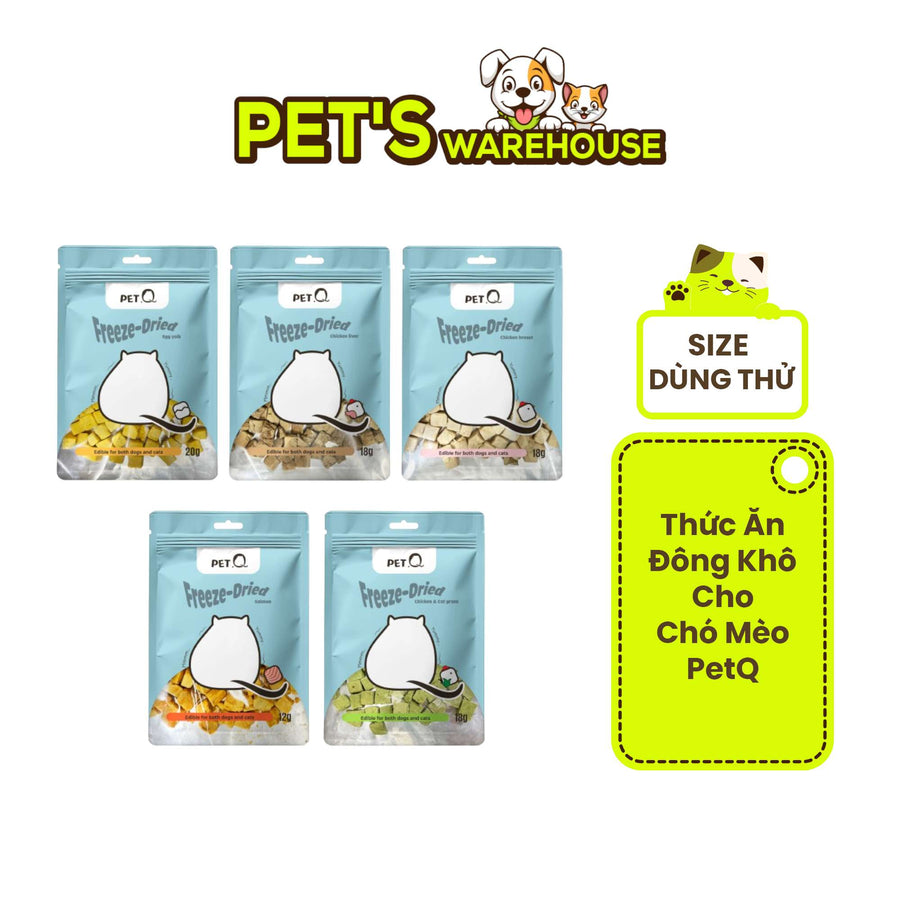
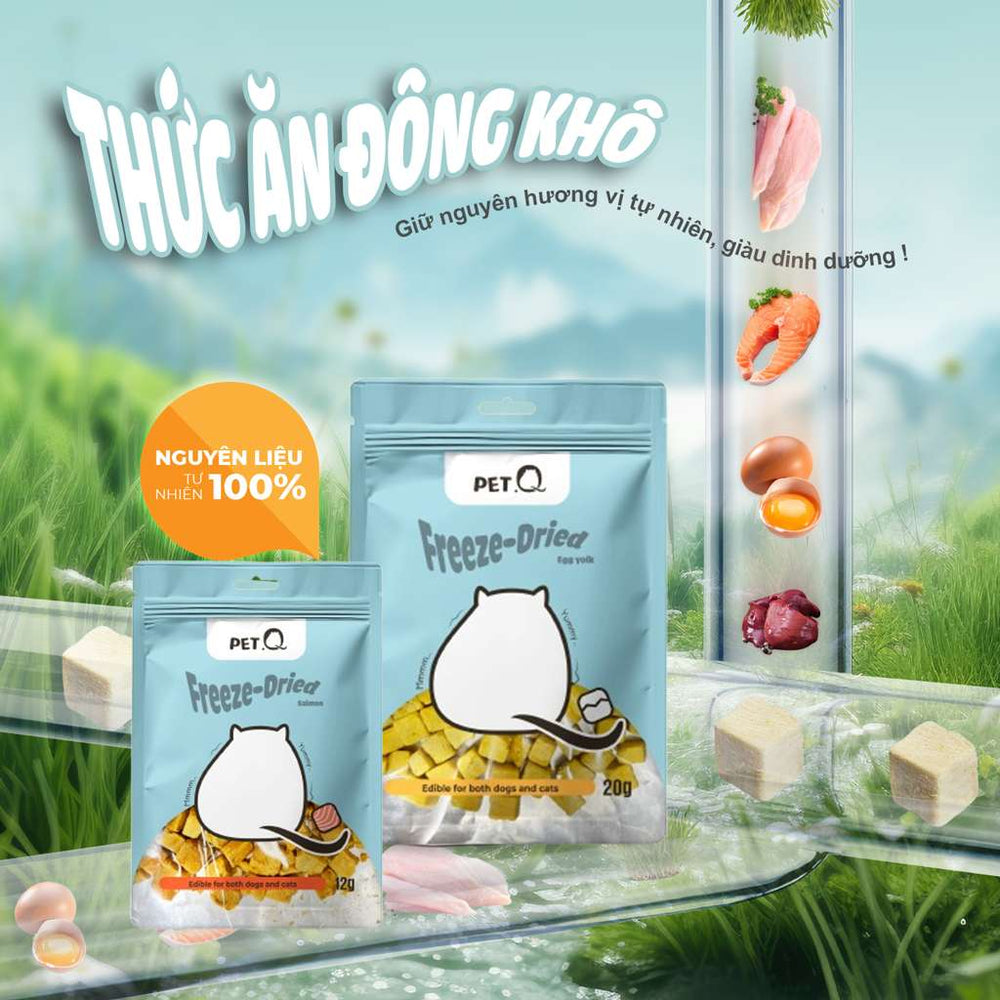
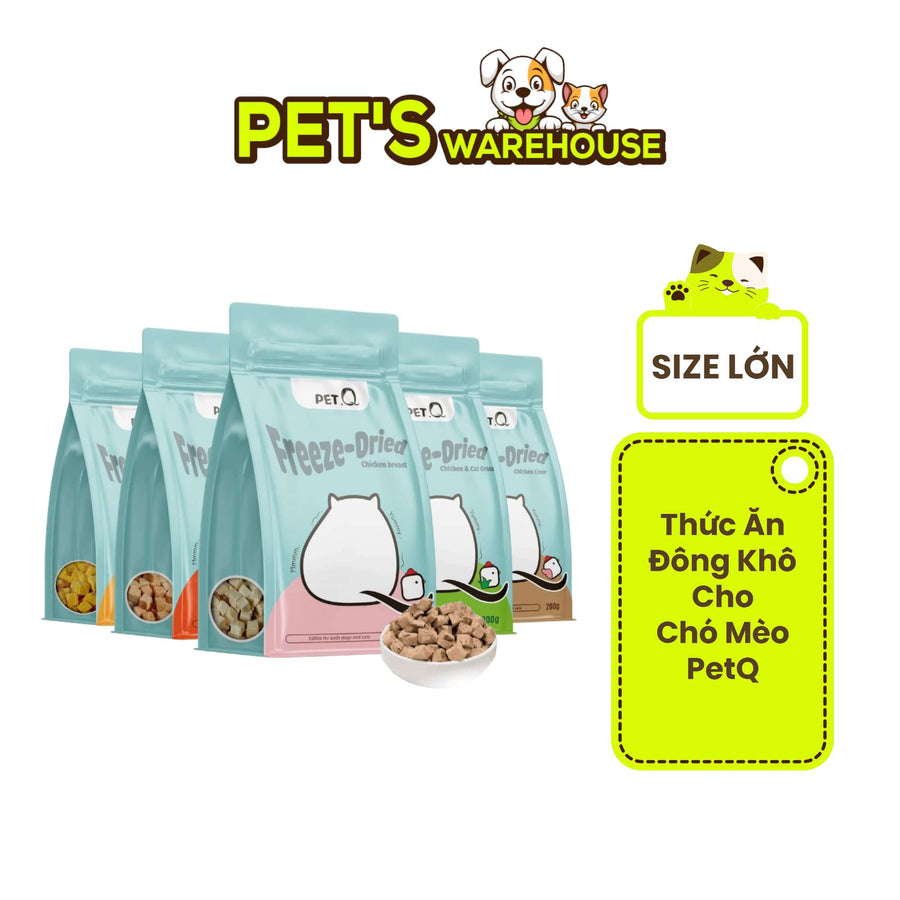
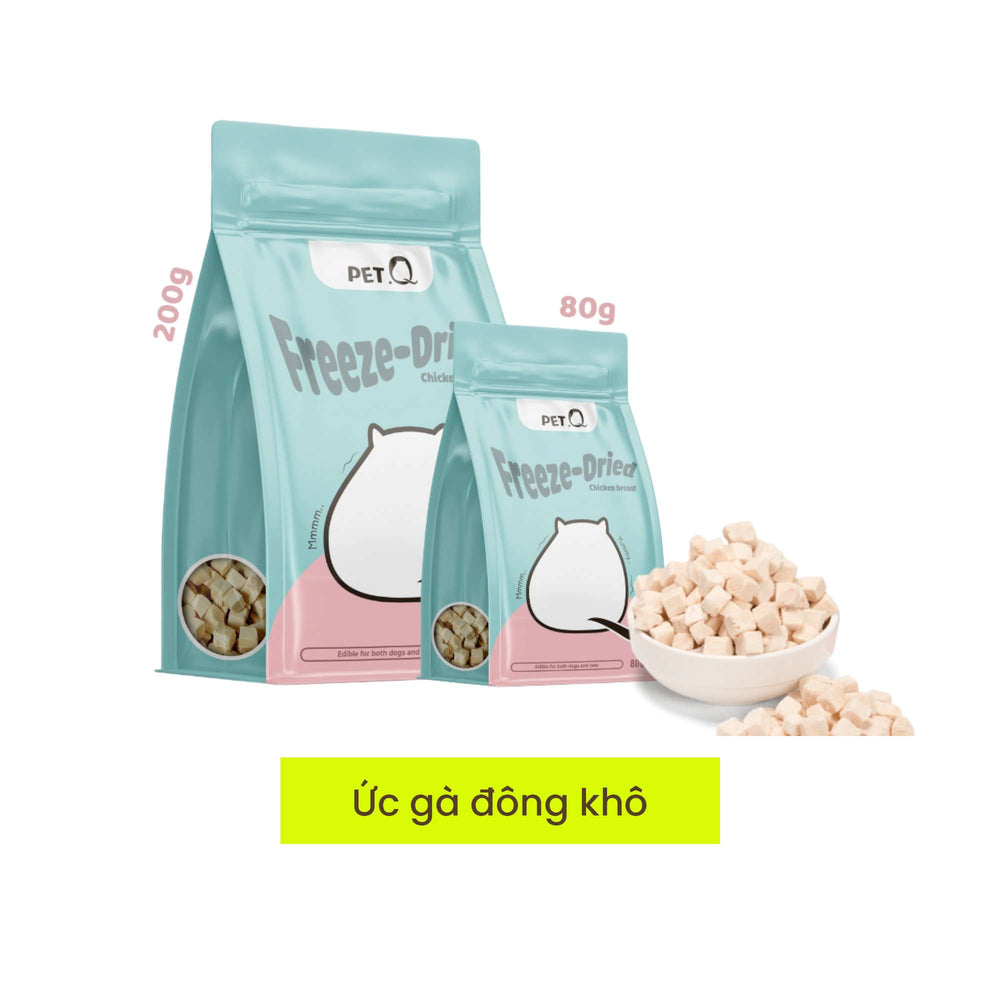




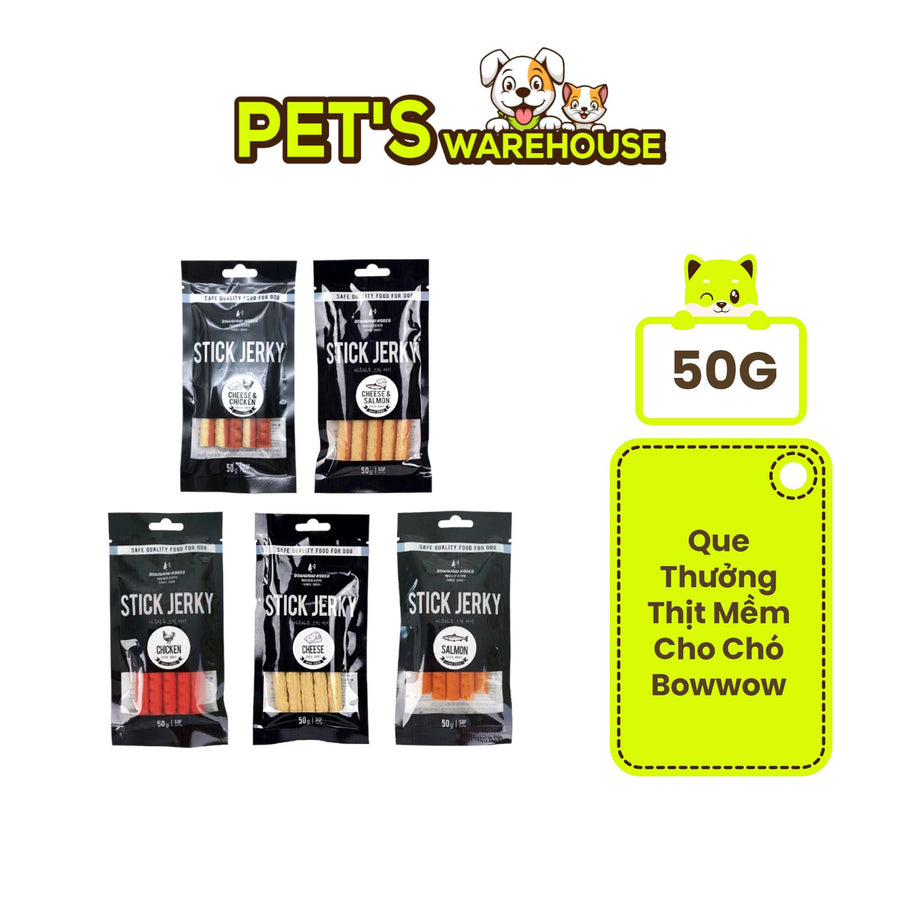

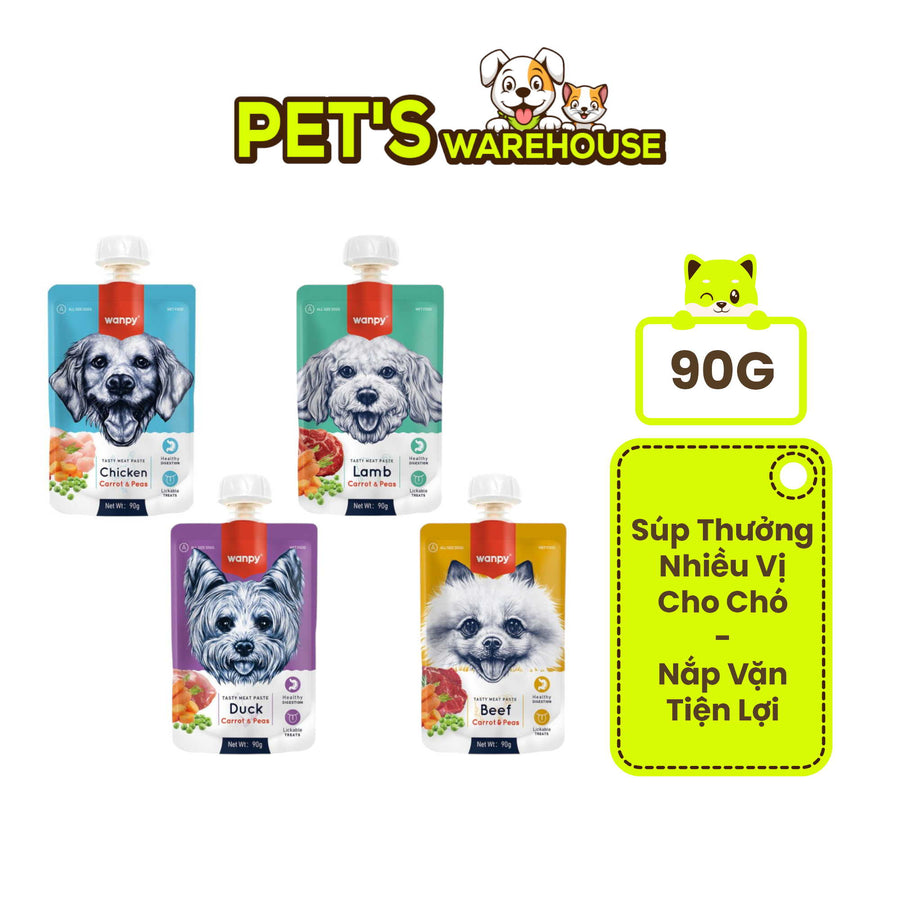
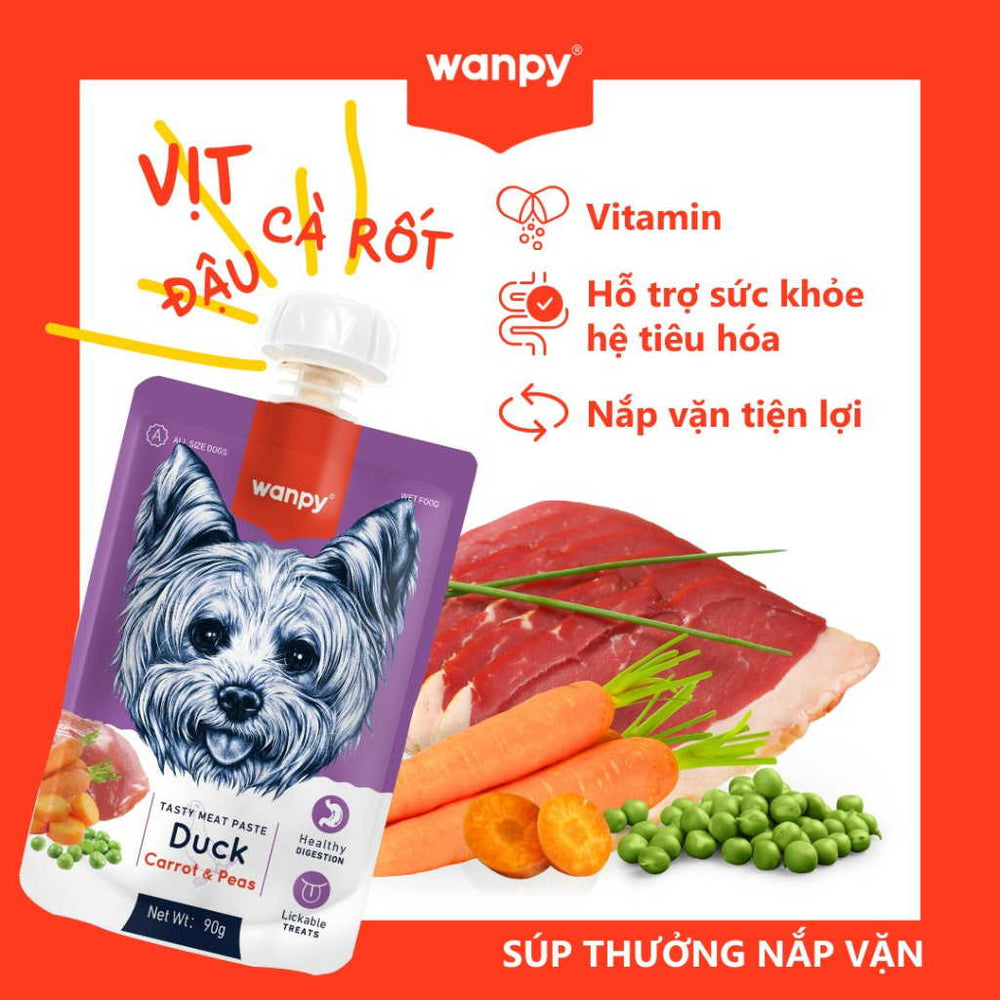
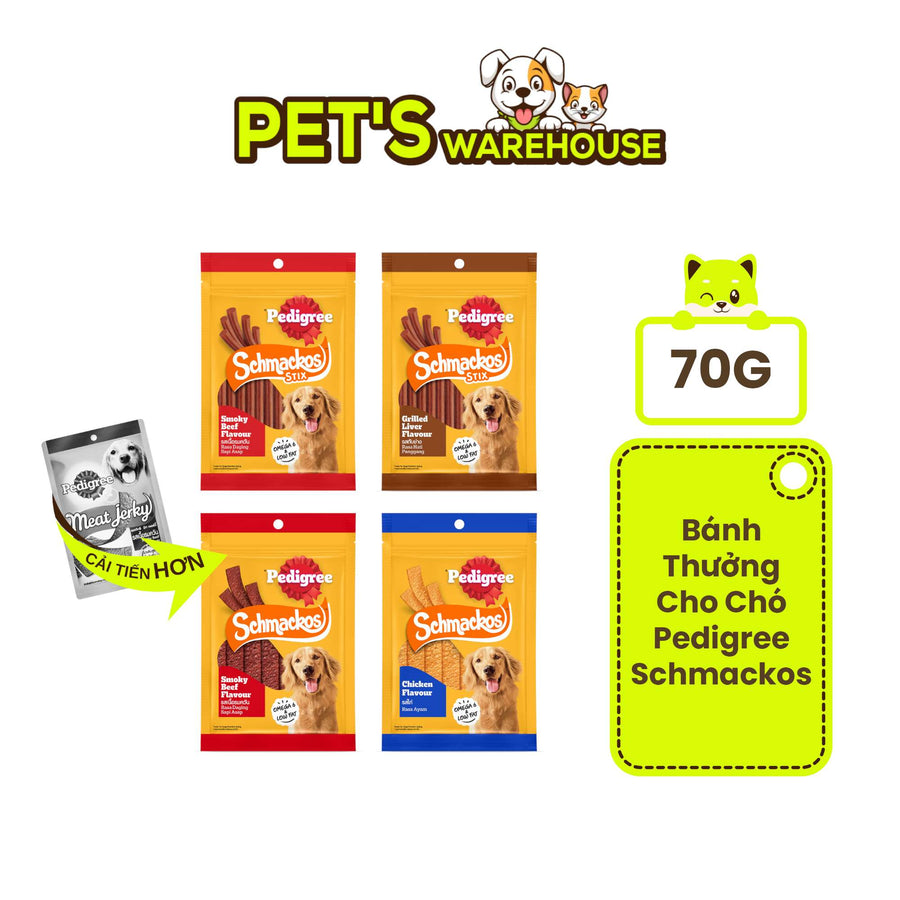

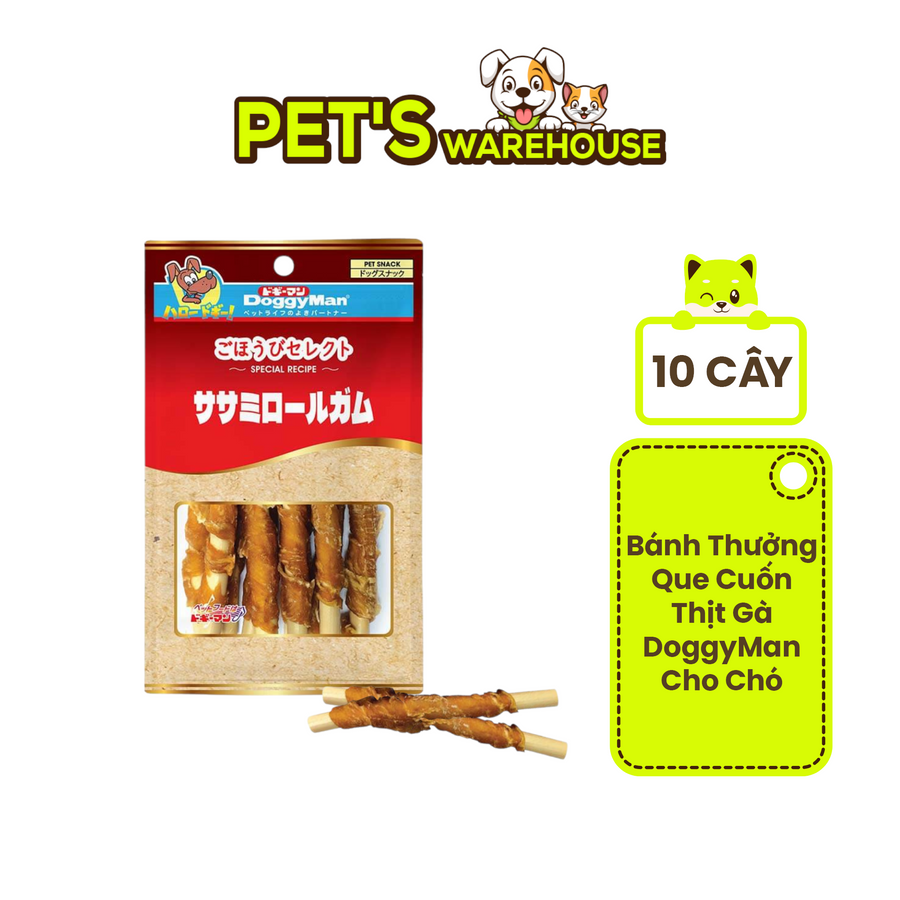
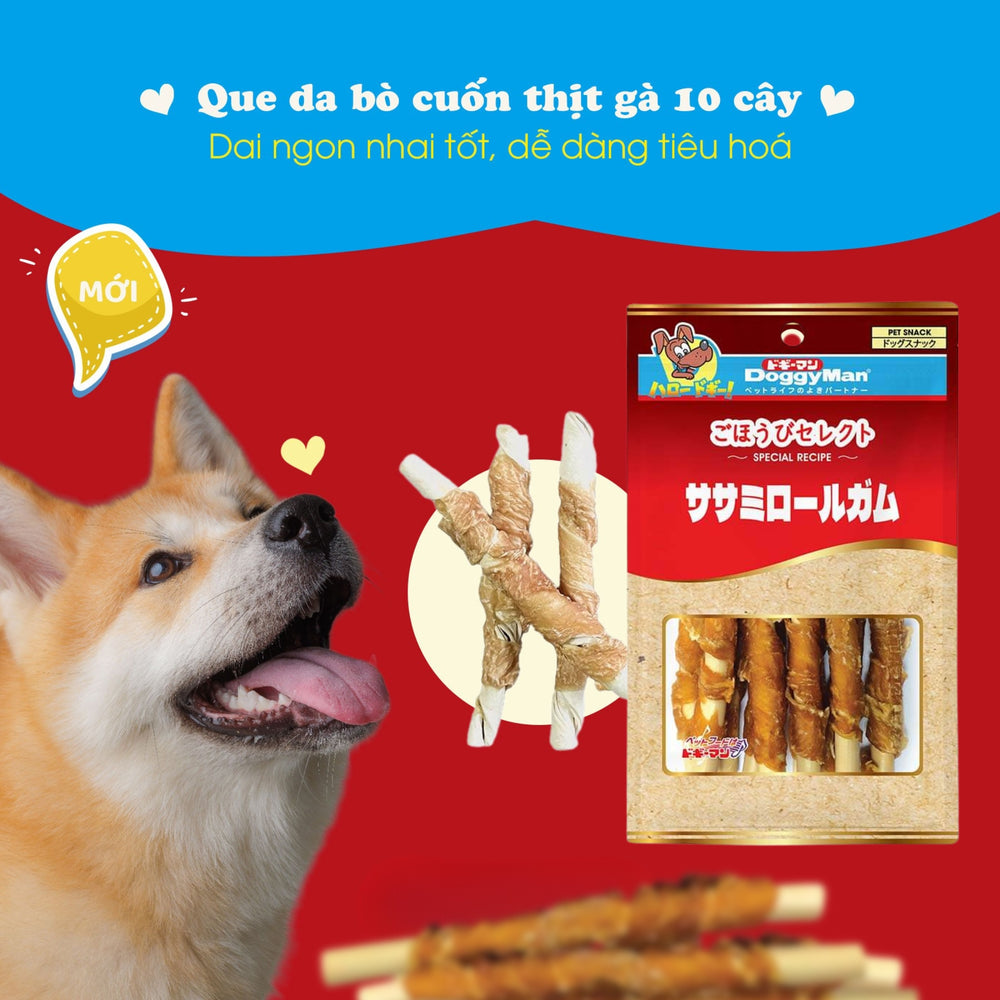
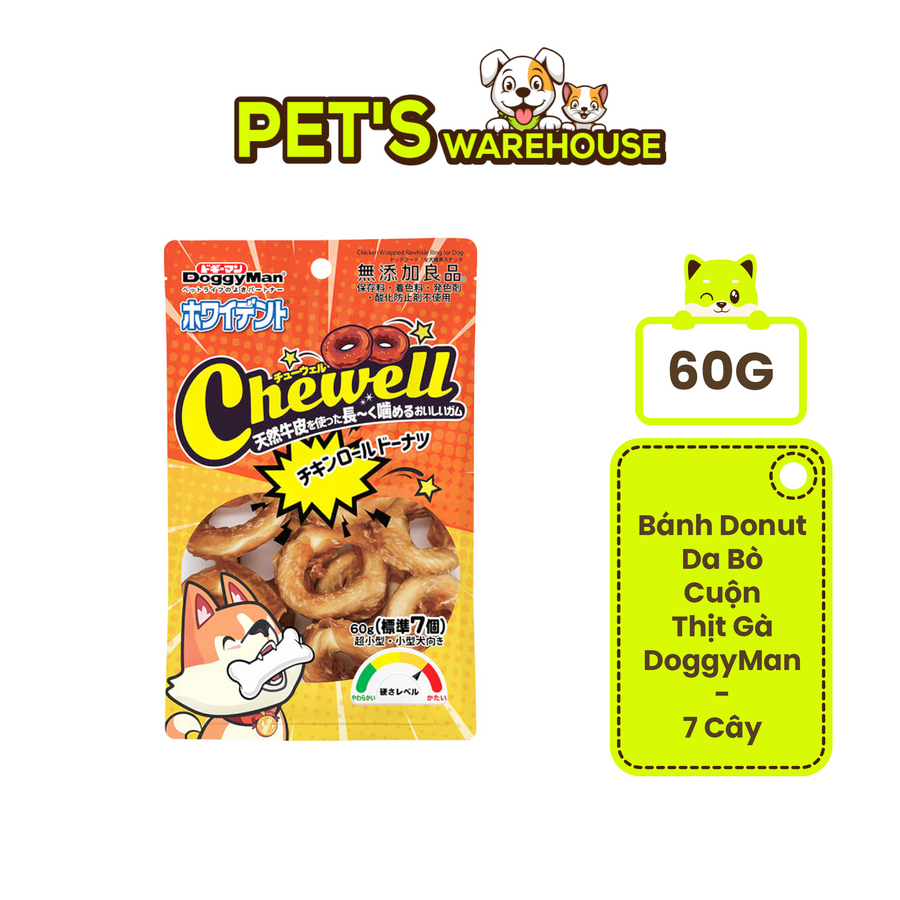
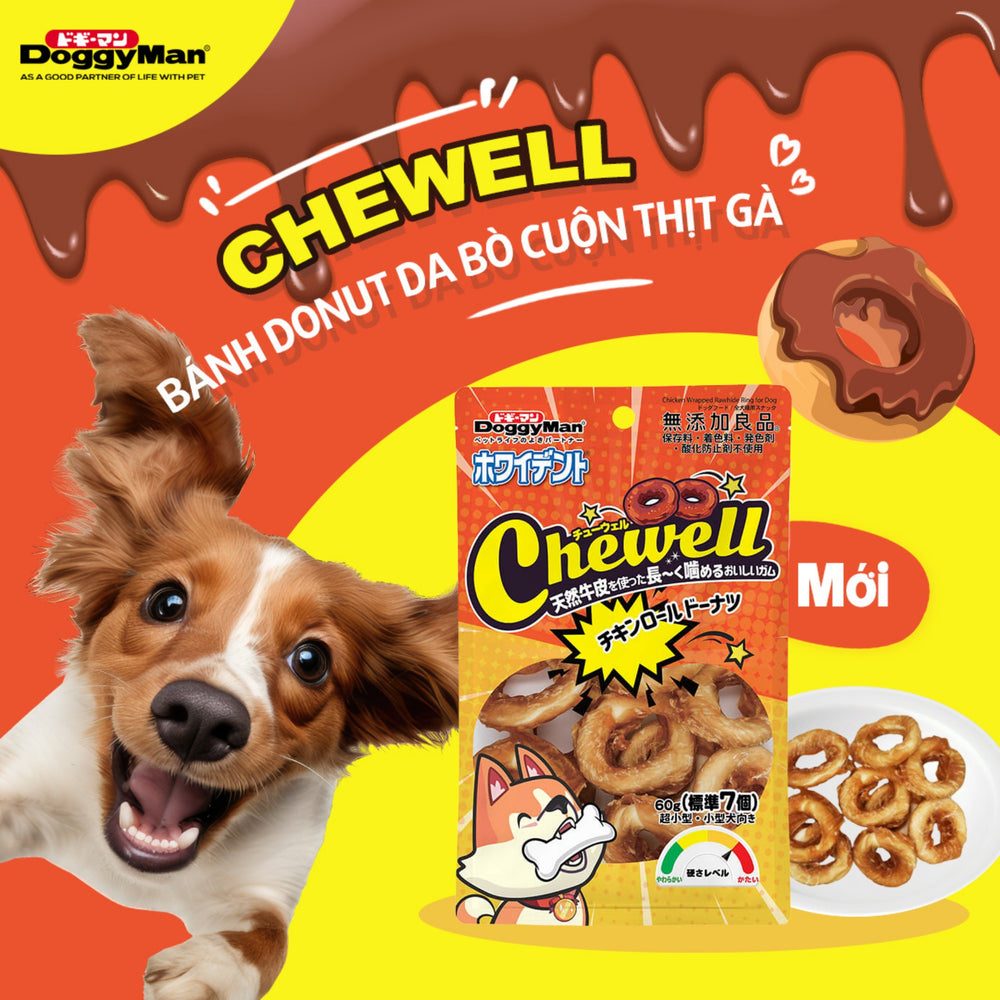


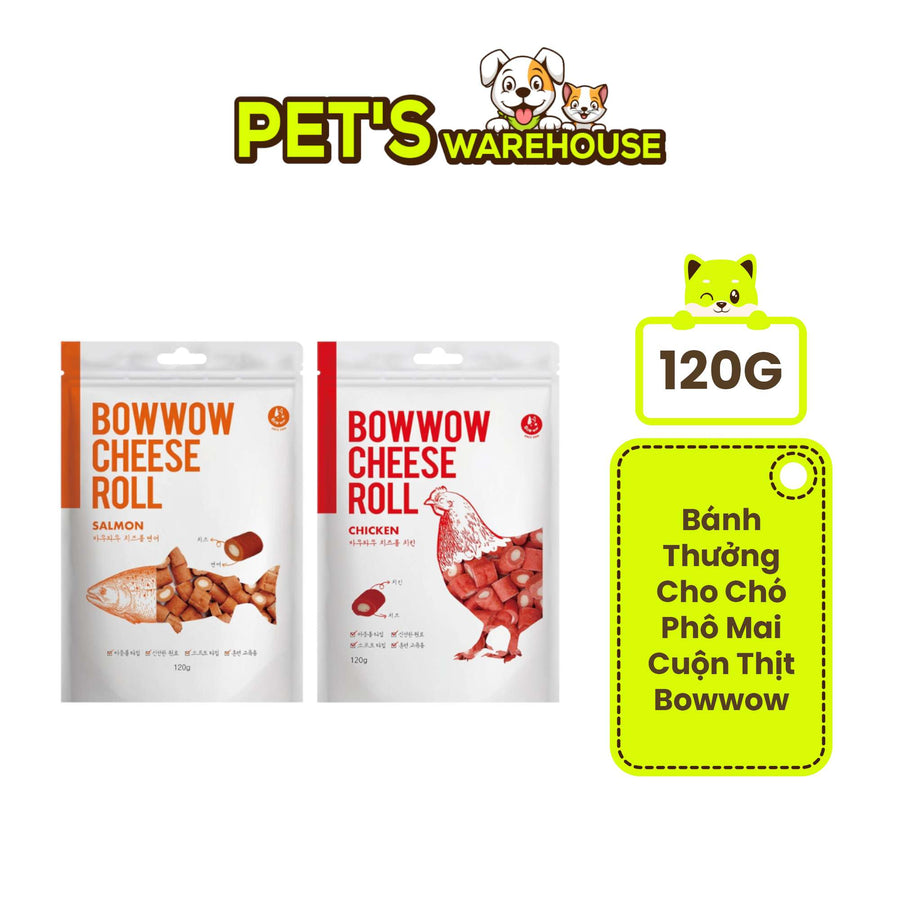
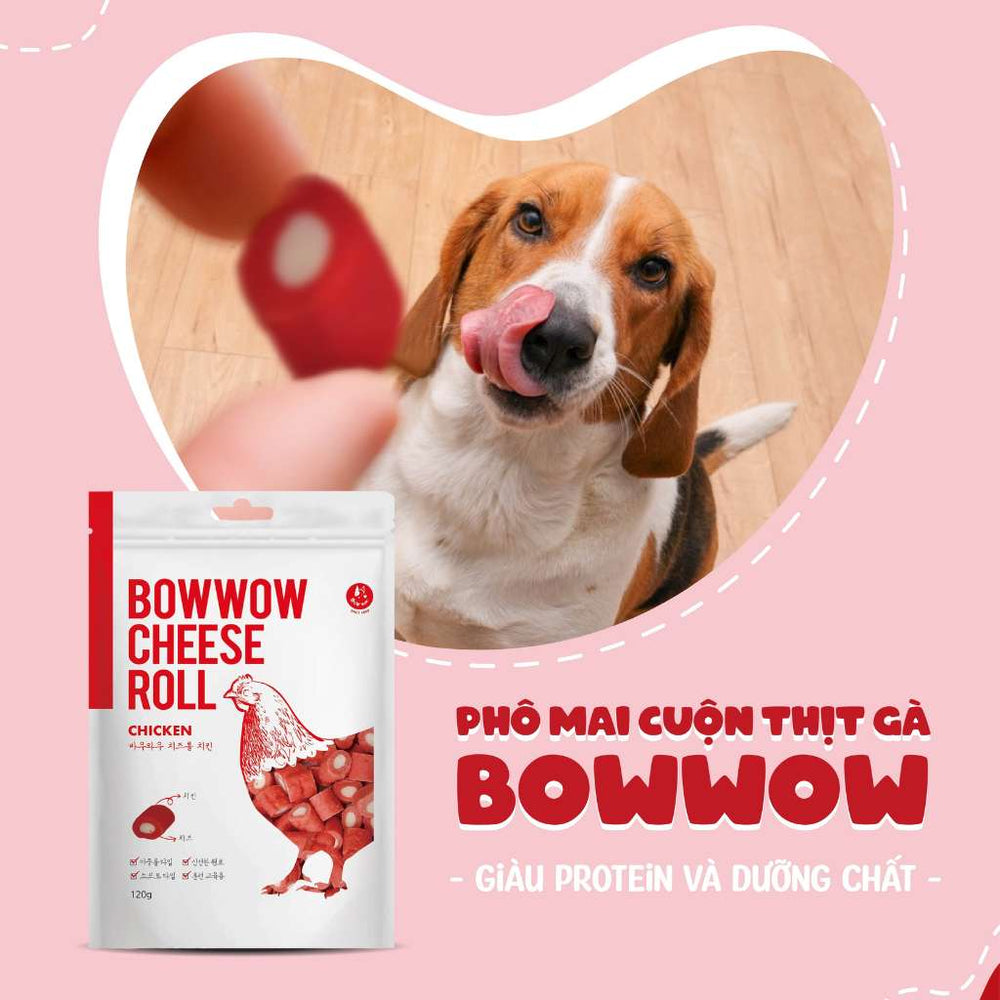
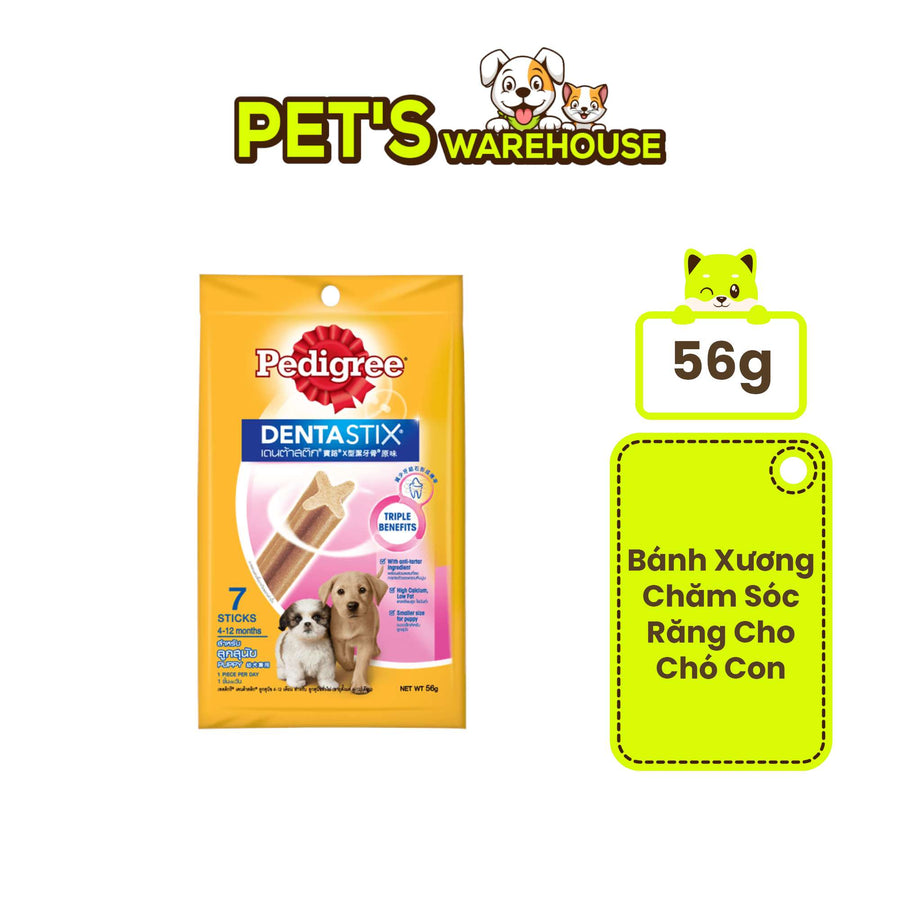
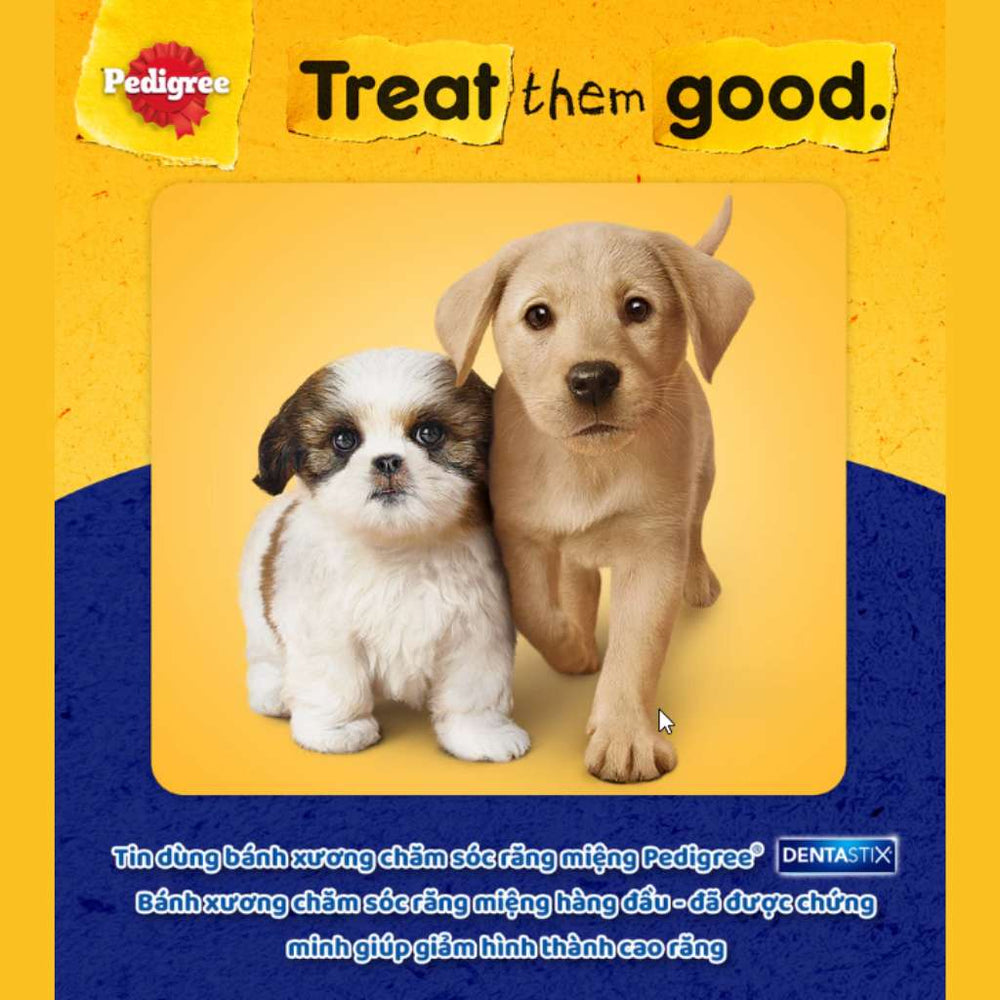


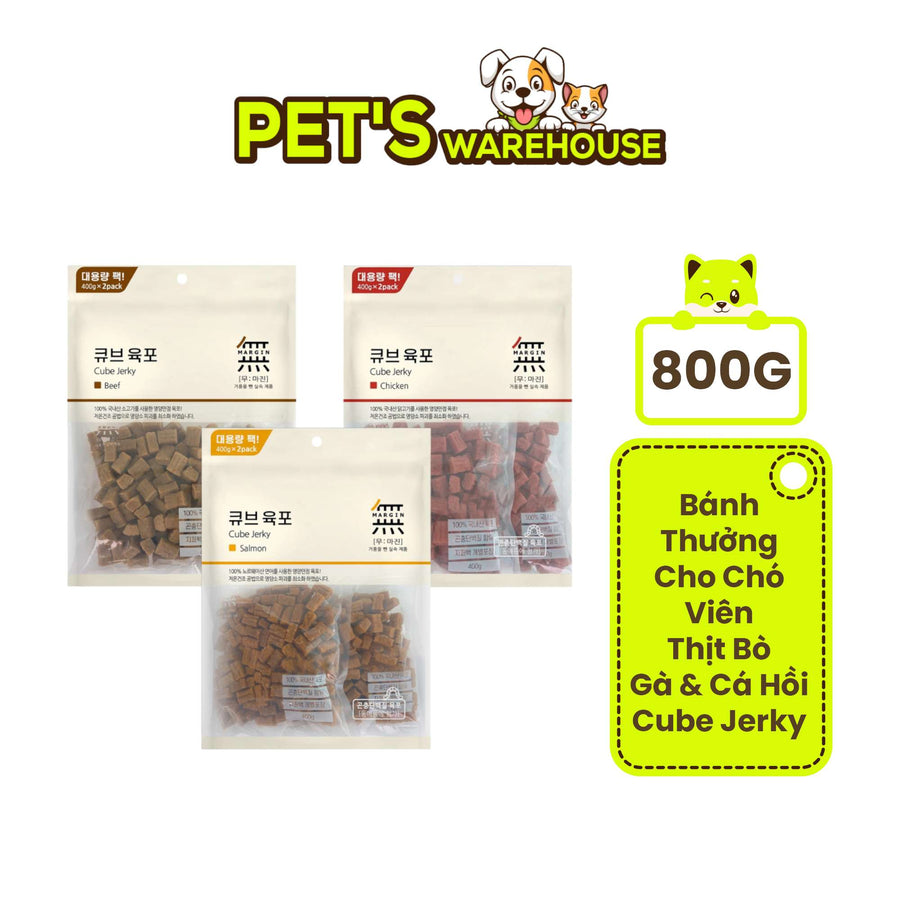
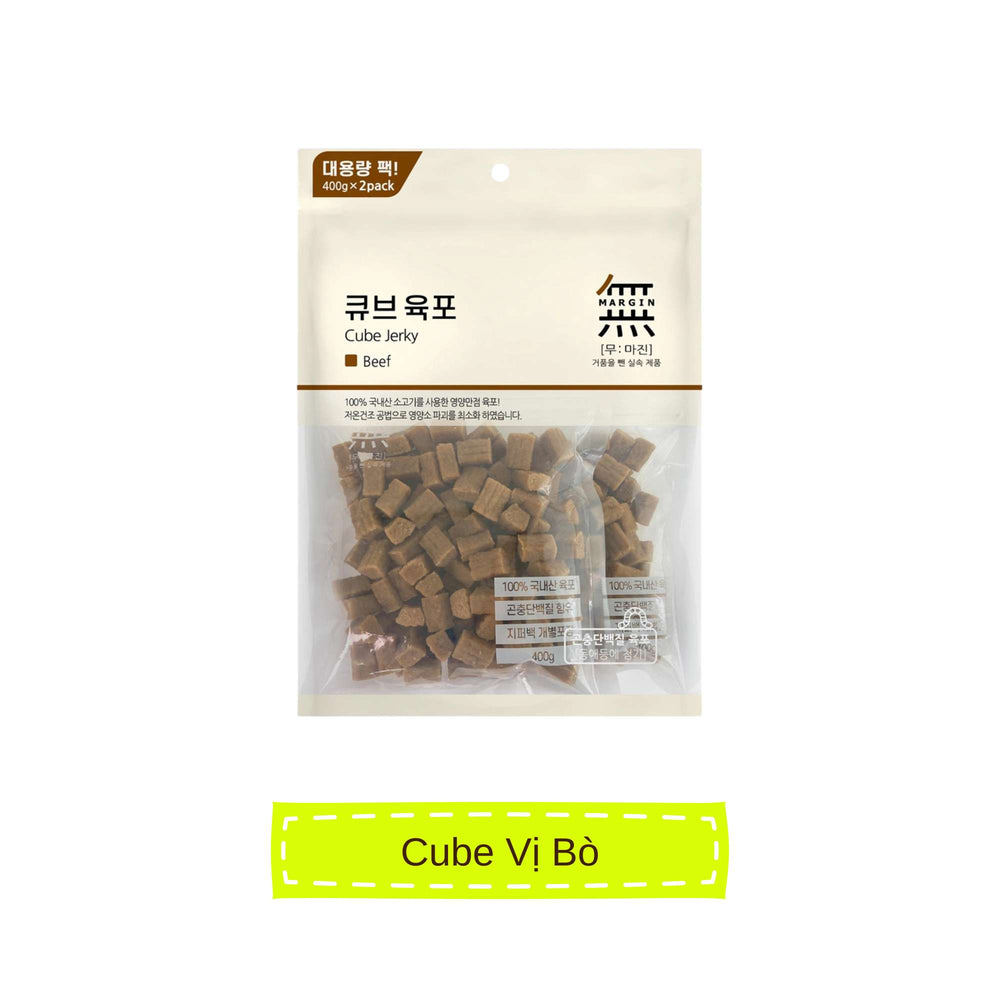


Dog treats - A smart choice for health and effective training.

Whether you're an experienced dog owner or just starting out, dog treats and snacks are certainly not an unfamiliar concept.
They are not only delicious treats but also play a crucial role in training, reinforcing positive behavior, and supporting the overall health of pets.
1. Why are treats an essential part of a dog's life?
Advantage:
-
Nutritional supplementation: Dog treats come in varieties with specialized ingredients to supplement essential nutrients such as protein, calcium, vitamins, and minerals.

-
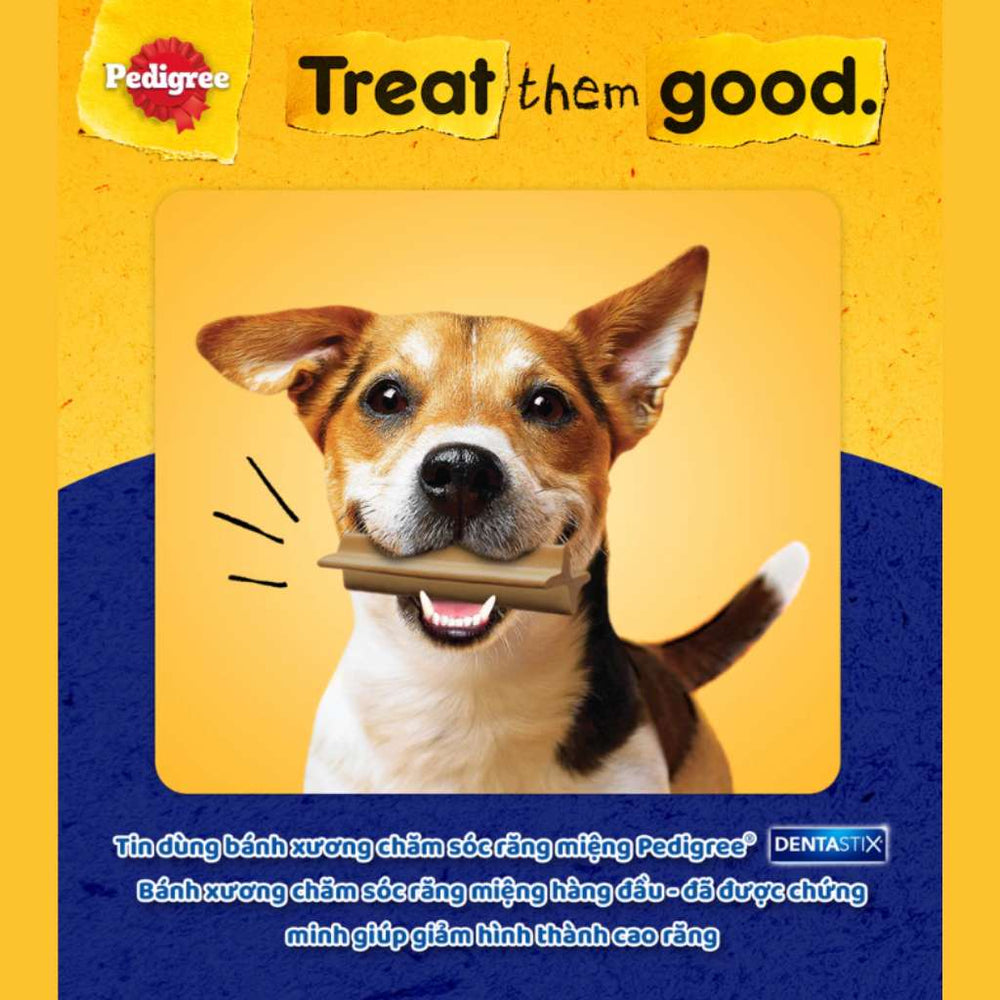
Oral care: Dog chew bones not only satisfy your dog's chewing instincts but also act as a natural toothbrush, helping to remove plaque and tartar and minimize bad breath. This is a convenient oral care solution that dog owners shouldn't overlook.
-
Training is easy: Treats are considered the most valuable "instant reward" in dog training. For example, when a dog correctly follows a command, receiving a tasty treat creates a positive association in the brain. This helps the dog quickly learn new skills and willingly repeat the behavior being trained.

Note: When training, you should choose small, compact training treats that are easy to chew and swallow, so as not to interrupt the training process.
Disadvantages:
-
Nutritional imbalance: High-calorie ingredients, if overfed without control, will cause dogs to gain weight, become obese, and develop other health problems.
-
Dogs become picky eaters: Over-feeding with snacks can make dogs stubborn and neglect their main meals.
-
Digestive problems: Choosing the wrong type of treat can lead to kidney stones and urinary tract problems.
2. Types of dog treats
2.1. Classification by purpose of use
Currently, the market offers various types of treats to suit different needs and purposes:
-
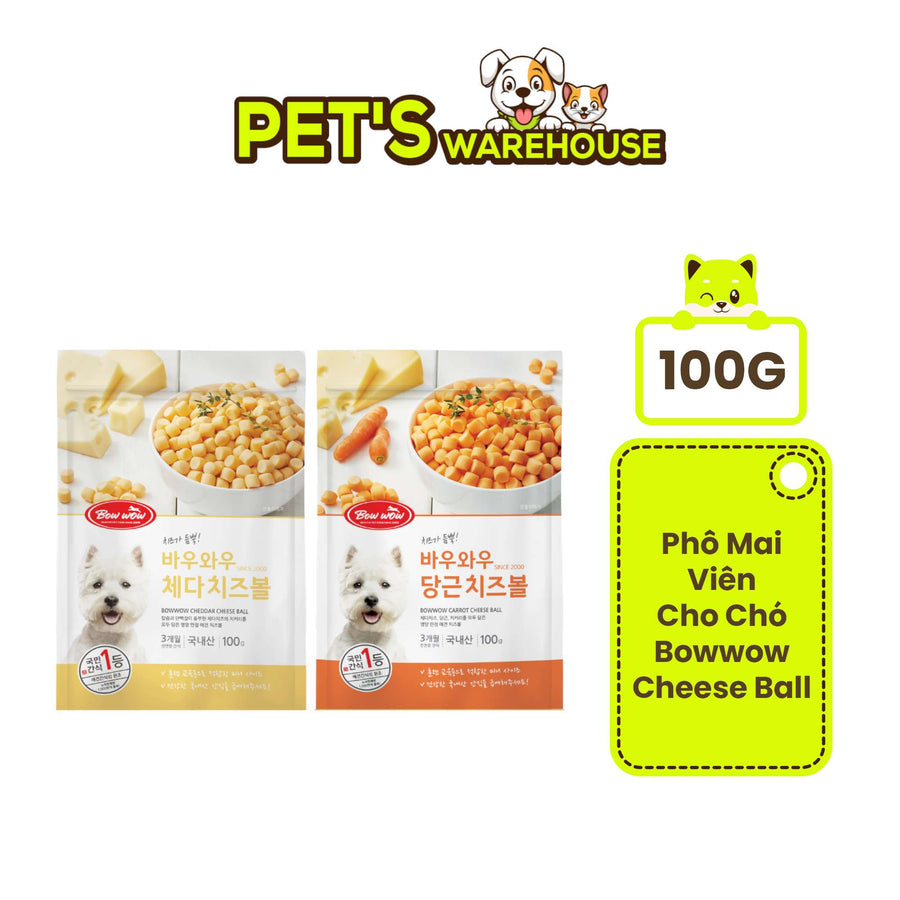
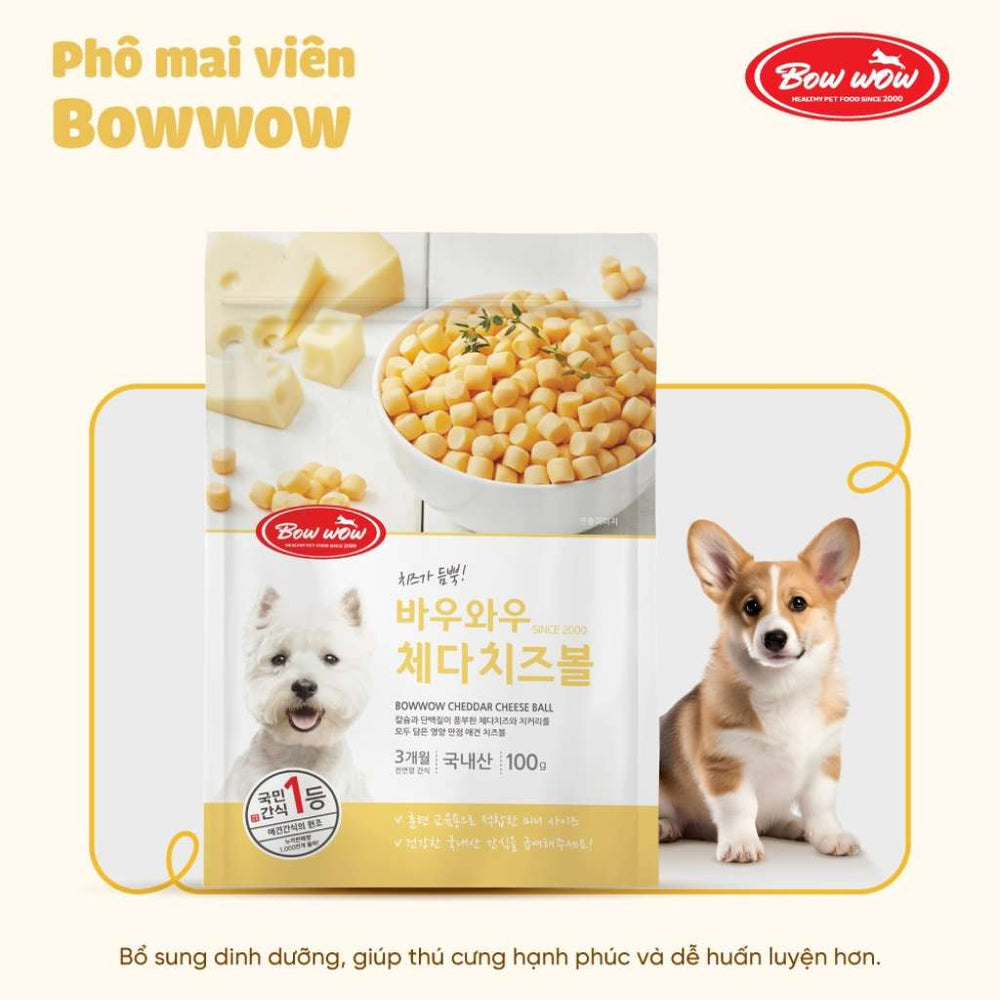
Crispy treats: Cute shapes stimulate a dog's curiosity and taste buds, providing energy to keep your pet active. Use them to motivate your dog after it has followed a command correctly.

-
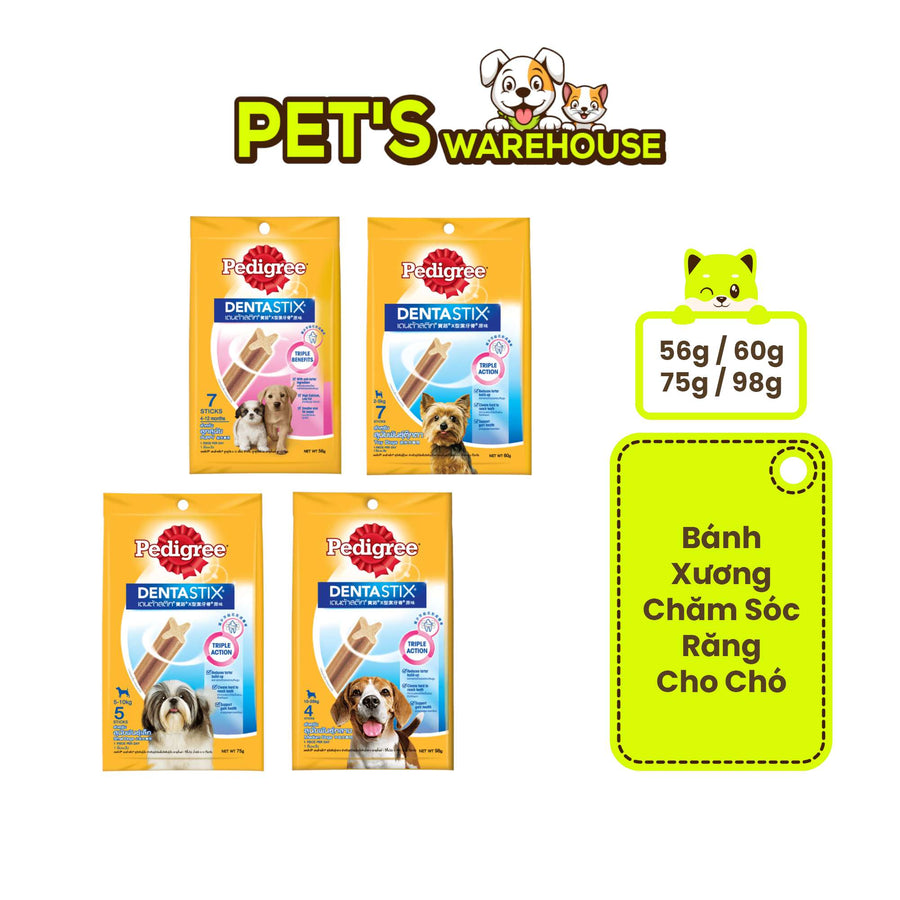
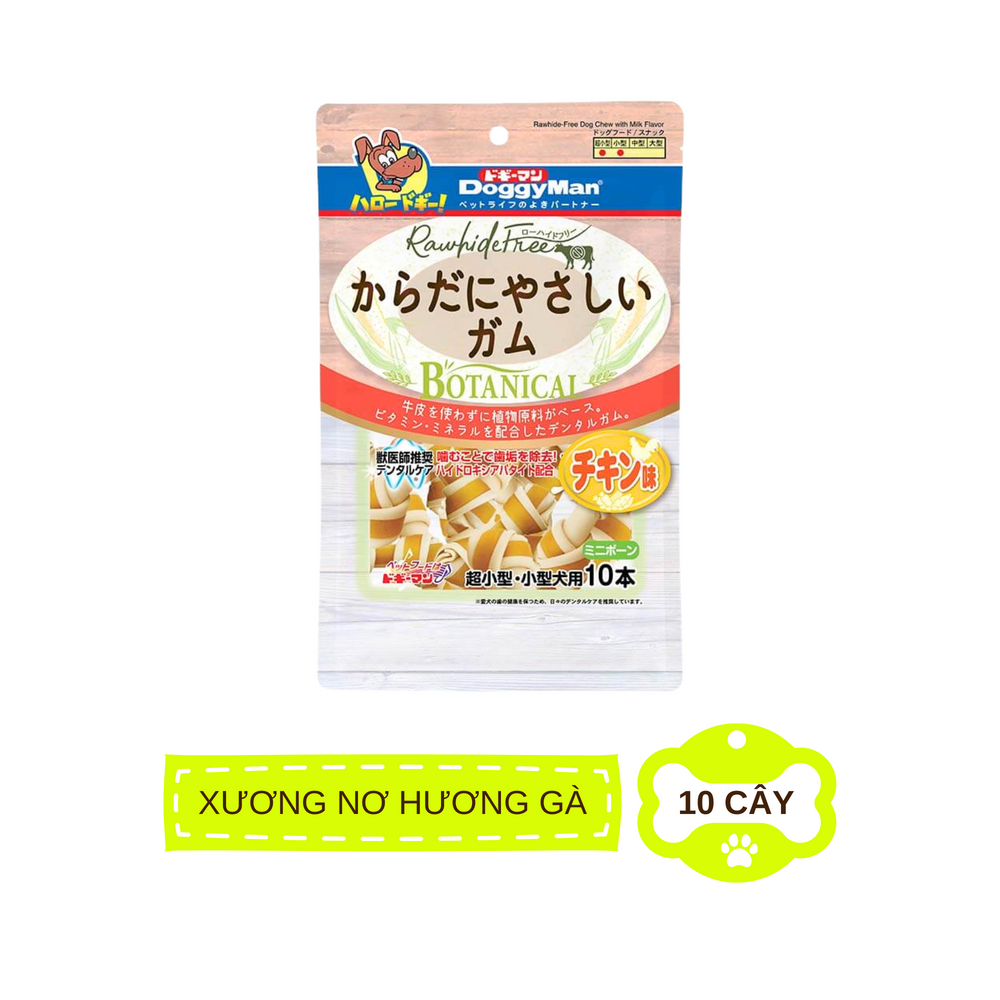
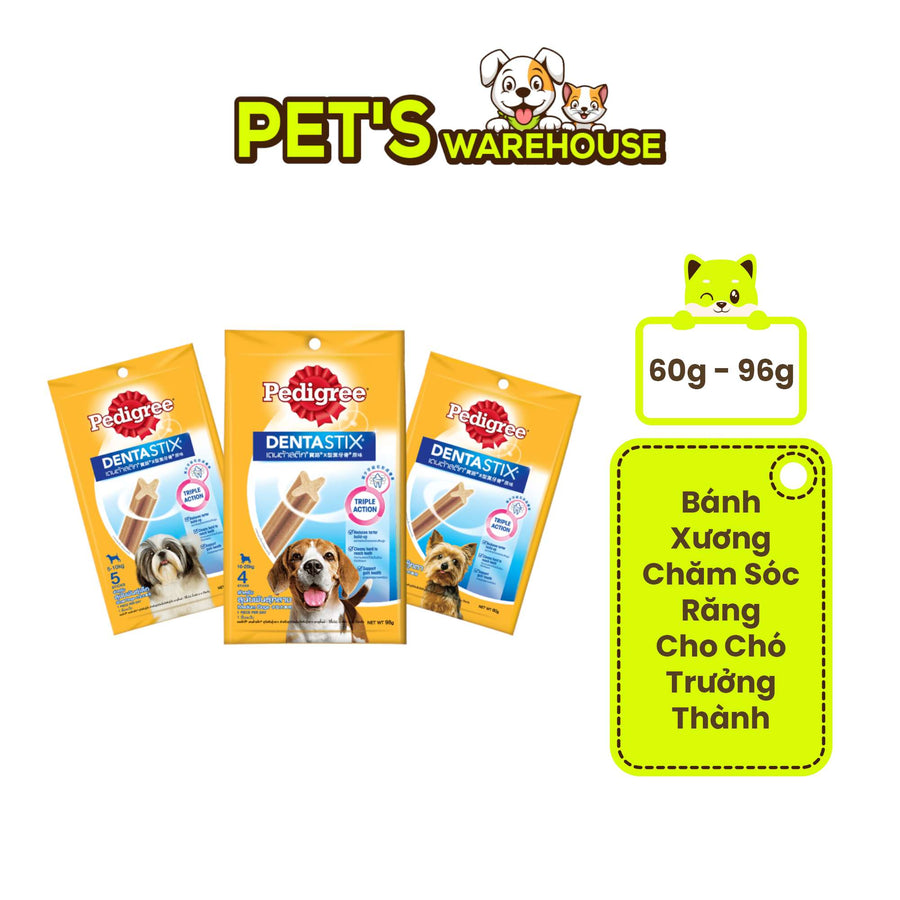
Chew bones: These have a chewy or hard texture and contain dental-cleaning agents. They help satisfy dogs' chewing instincts, remove plaque from teeth, and aid in cleaning teeth and gums while chewing.

-
Soft dishes, soft soups, and pâté: Easily digestible, good nutrient absorption, rich in protein to support muscles and immunity.
-
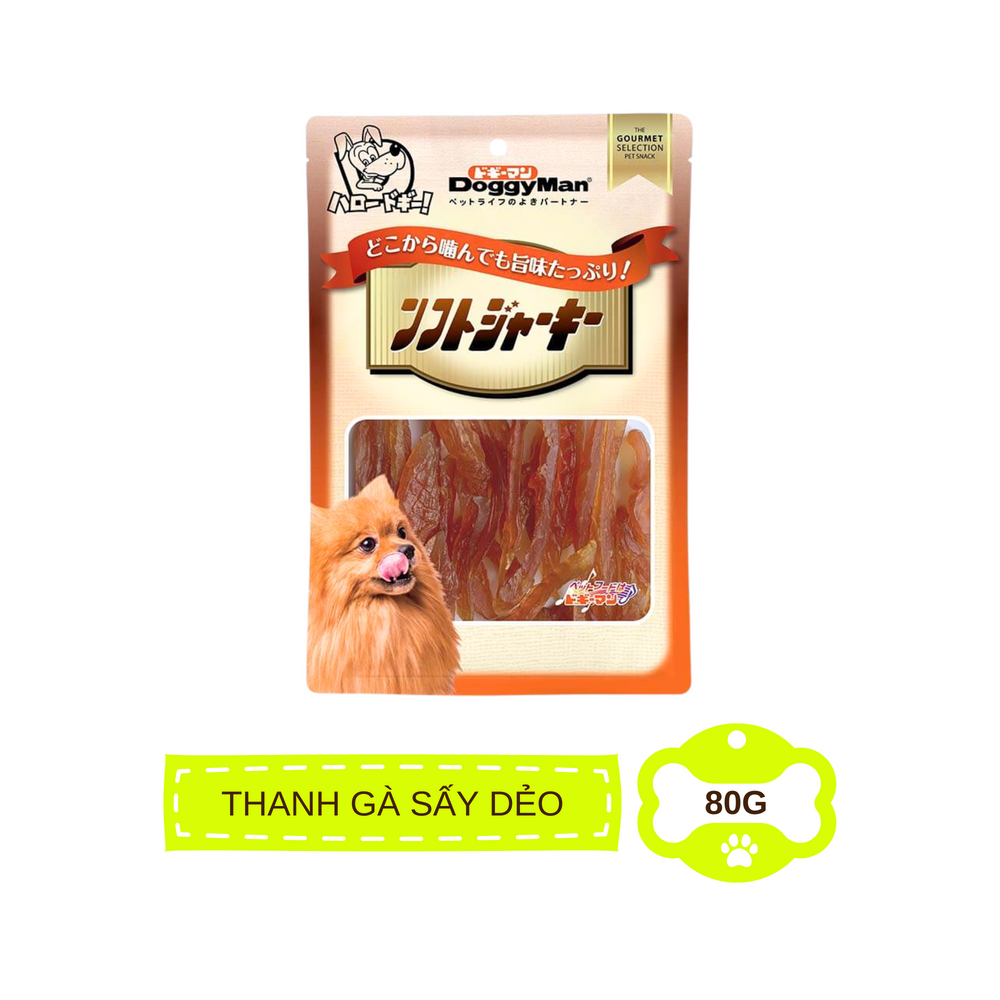
Dried foods: Retain almost 70-80% of nutrients after water has been removed, typically dried meat, liver, and low-fat foods.
2.2. Classification of treats by texture:
-
Soft: Contains a certain amount of moisture, easily broken. Often used for puppies, teething dogs, senior dogs, and dogs with weak teeth, or during training because they are easy to chew and swallow quickly.
-
Hard/Crunchy: This includes crunchy biscuits or hard chew bones. Adult dogs have strong teeth, and this helps stimulate jaw muscles and clean their teeth.
-
Chewable: Chewy meat sticks or bones encourage dogs to chew for extended periods. Dogs need time to relax and reduce stress. It also promotes oral hygiene and supports gum health.
3. How to use treats effectively for dog training and care.
3.1. Important notes when using
To maximize the advantages and minimize the disadvantages, lotus plants should follow these principles:
-
Follow the 10% rule: Treats should only account for a maximum of 10% of your dog's total daily calorie intake. The remaining 90% must come from main food to ensure your dog receives all the necessary vitamins, minerals, and nutrients for good health.
Calorie requirements depend on the breed, age, weight, and health condition of your dog. If you are unsure of the calorie needs, consult your veterinarian for the most accurate figure. If your dog is on a diet, choose low-calorie or low-fat treats.
-
Choose quality products: Prioritize treats with natural ingredients, minimal preservatives, and those that meet your dog's health needs.

-
Purposeful use: Treat biscuits should only be used as a reward for good behavior, and should not be given indiscriminately.
Once your dog has become accustomed to a certain behavior, gradually reduce the number of treats and replace them with petting to prevent the dog from becoming dependent on food.
3.2. When should we not use treats?

Treats should be used to reinforce positive behavior, not to soothe negative behavior.
-
When dogs have health problems: If your pet is obese, has kidney stones, or digestive issues, you should consult your veterinarian before feeding your dog any treats.
-
Meal replacement: Treats are a supplement, not a main meal.
-
Do not use when the dog is barking/growling: This will inadvertently encourage aggressive or undesirable behavior.
4. Frequently Asked Questions about Dog Treats (FAQ) :
Question 1: Can dog treats replace a dog's main meal?
Answer: Absolutely not. Treats are only supplements or rewards for dogs. They do not provide the complete and balanced nutrients (protein, fat, carbohydrates, vitamins, and minerals) necessary for dogs as well as dry kibble or specialized fresh dog food.
Replacing meals with snacks for dogs can lead to malnutrition or obesity.

Question 2: Should puppies be given treats?
Reply: Yes, but you need to choose the right type. Treats help puppies gradually get used to food and are also the most effective training tool during this stage.
For puppies, choose soft, small, easy-to-chew biscuits that are rich in calcium.
Question 3: How do I choose safe and healthy treats for my dog?
Answer: Prioritize ingredient lists, choosing cakes with concise and clear ingredient lists. Minimize artificial additives and preservatives.
Sen should also consider the calorie content of the biscuits and the dog's current health condition.
5. Buy dog treats and snacks at Pet's Warehouse.
Dog treats are not just a snack; they're a smart investment in your furry friend's physical and mental health.
From choosing age-appropriate treats for your dog and controlling the dosage to skillfully incorporating them into training, every action you take reflects deep love and care.


Additionally, if you want to ensure your dog's snacks are healthy, consider making them yourself; this is also a lovely activity for your furry friend.
Choosing treats for your pet is no longer difficult; contact us today for clear advice and guaranteed product origin.