

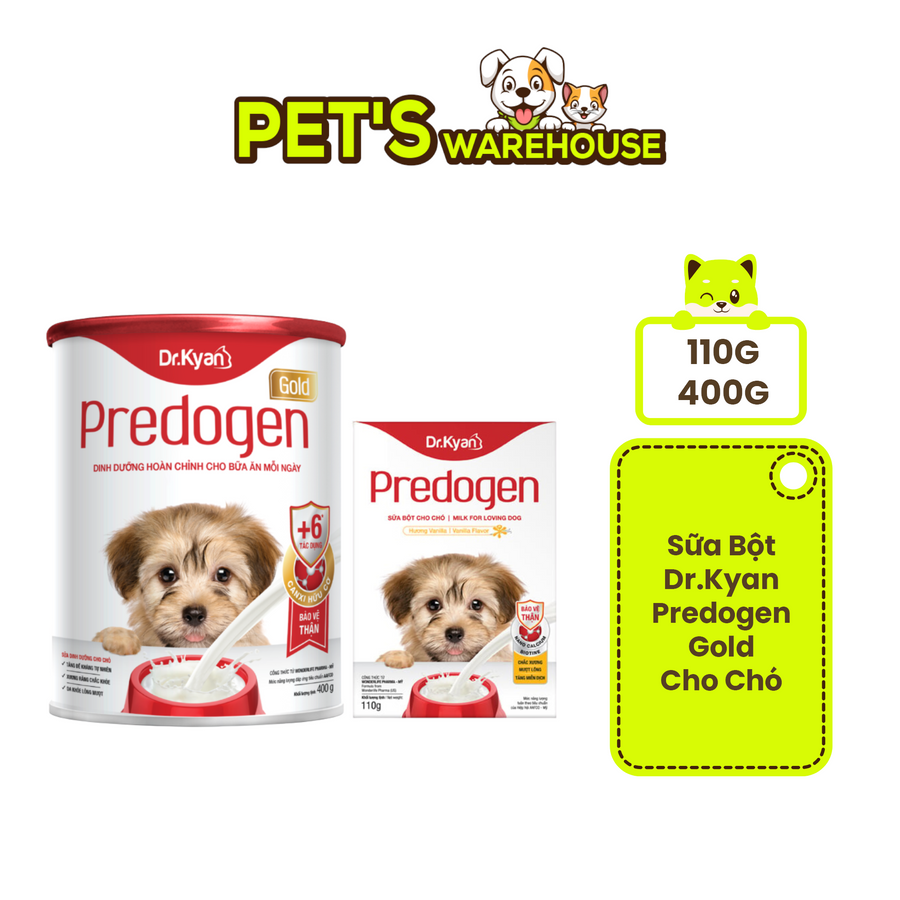
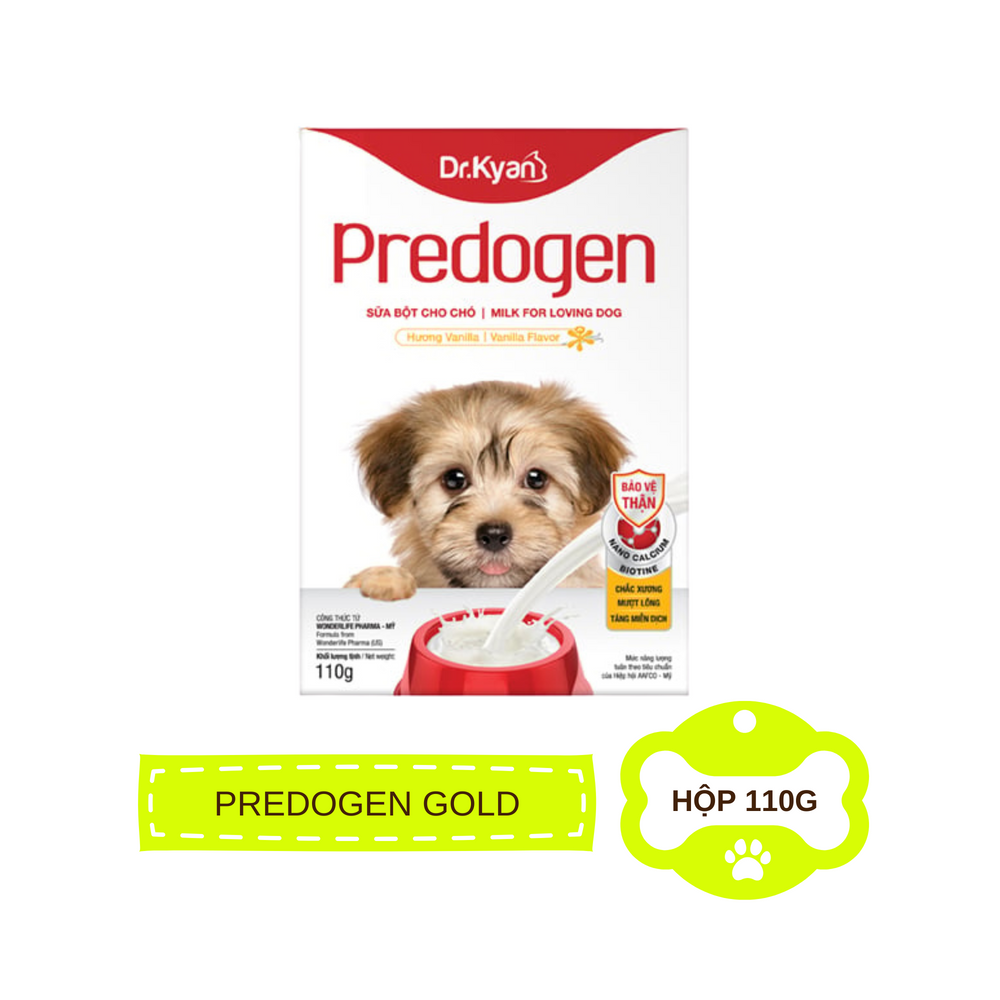


Milk for puppies - A rich source of nutrients, providing comprehensive health benefits.
For a puppy, the first few weeks of life are a crucial period that determines its health and development, and mother's milk is best for newborn puppies.
However, the mother dog doesn't always produce enough milk, so during this period you need to ensure that specialized milk substitutes are available to provide adequate nutrition.
But choosing the right milk for your puppy is extremely important.
Choosing the wrong type of milk not only wastes money but also causes puppies to miss out on essential nutrients, leading to serious digestive problems and potentially severely impacting their health and lifespan.
Let's explore the secrets of puppy nutrition to ensure your four-legged friend has the healthiest and happiest start in life!

1. Why is milk important for dogs?
Milk is an essential source of nutrition, crucial for a dog's survival and development. From the first weeks of life, puppies need their mother's milk.
1.1. The role of mother's milk for puppies
Mother's milk contains the optimal ratio of protein, fat, and sugar (lactose), providing abundant energy for the rapid growth of puppies. In the first few days after birth, the mother dog secretes colostrum containing extremely high levels of immunoglobulins (antibodies), helping puppies build their initial immune system.
In addition, breast milk contains prebiotics that nourish beneficial bacteria in the gut, which are the foundation for a healthy digestive system.
1.2. When do dogs need supplemental milk?
Dogs need supplemental milk in cases where their mother's milk is insufficient or unavailable. Supplementing milk at the time the dog needs it is very helpful for its development.
If your puppy shows signs of diarrhea, vomiting, or refuses to nurse, consult a veterinarian immediately.
2. Cases where dogs need supplemental milk.
2.1. For puppies
When the mother dog's milk supply is insufficient or puppies are abandoned, supplemental milk becomes a vital necessity to ensure they receive adequate nutrition and develop healthily.

Cases where puppies need milk replacer:
-
-
The mother dog may lose her milk or not produce enough milk: This could be due to illness, health problems (e.g., mastitis, milk fever), stress, or the mother dog not producing enough milk for a large litter.
-
Orphaned puppies: The mother dog dies during or after giving birth.
-
Abandoned puppies: Puppies that have been abandoned by their previous owners or found as stray dogs.
-
Mother dogs refuse to nurse: Some mother dogs, especially first-time mothers or small breeds, may refuse to nurse their puppies.
-
Weak, malnourished puppies: The smallest, weakest individuals in the litter may not be able to compete with their healthy siblings for mother's milk and need to be fed separately with formula.
-
Health issues of the mother dog: If the mother dog is taking medication, it may pass the medication through her milk and harm the puppies.
-
With nutritional ratios and composition (protein, fat) closest to that of mother dog's milk.
The formula is adjusted to suit the delicate digestive system of puppies, and the formula is often fortified with vitamins and minerals to ensure the overall development of puppies.
Note: This is mandatory when puppies do not have access to mother's milk or the amount of mother's milk is insufficient. (This allows you to control the amount of milk and the level of nutrition your pet consumes.)
2.2. For adult dogs
For adult dogs, milk is a supplemental source of nutrition, not an essential part of their daily diet.

-
-
Dogs need a high energy intake: Specialized supplements and weight-gain milk for adult dogs with specific nutritional compositions provide a large amount of calories, supporting weight gain without requiring excessive food intake.
-
Dogs in their growth phase: High-fat milk formulas or goat milk for dogs will provide calcium for strong bones and teeth, and probiotics to supplement beneficial bacteria for the gut.
-
Mother dogs nursing their puppies: Specialized milk can be used to supplement the nutrition of mother dogs during the period of raising their puppies.
-
Elderly or frail dogs: Need nutrients from milk for easy digestion and to support their health.
-
2.3. For sick dogs
Nutritional milk is very important during the care of sick dogs, dogs recovering from surgery, debilitated dogs, and dogs in the recovery process.
-
-
Easy energy absorption: When dogs are sick, they lose their appetite and have sensitive digestive systems. You should provide milk to help them combat weakness.
-
Increase hydration: There are milk formulas that help sick dogs replenish fluids and electrolytes, preventing dehydration.
-
Stimulating taste/appetite: The taste of milk is also a factor that increases appetite, stimulating dogs that have lost their appetite to eat again.
-
Note: For sick dogs, any dietary changes, including the addition of milk, must be approved and specifically guided by a veterinarian to ensure the milk does not negatively interact with the dog's medical condition or medications.
-
3. Popular types of milk for dogs
Currently, there are two common types of milk available for dogs on the market: Specialized formula milk (mandatory for puppies) and unsweetened fresh milk/goat milk (used sparingly for adult dogs).
3.1. Milk Replacer

This is the top recommended choice for puppies under 4 weeks old.
-
-
Main components: These are usually studied to have a nutritional ratio (protein, fat, carbohydrates) that is as close as possible to that of mother dog's milk.
-
When to use: Use from birth until 4 weeks of age and gradually reduce the dosage between 4 and 6 weeks of age to help your puppy transition to solid food.
-
How to choose the right formula milk: Prioritize well-known brands with clear origins and recommended by veterinarians. Ensure the product is specifically formulated for dogs (canine formula), not cats or other animals.
-
3.2. Goat milk for dogs
Goat milk is a great and safe choice for dogs, often considered easier to digest than cow's milk due to its lower lactose content and smaller fat particle structure.
It can be used for both puppies and adult dogs, in the form of specialized formula milk powder or unsweetened pasteurized goat milk.
-
-
Nutritional composition: Goat milk is rich in nutrients, providing abundant minerals such as calcium, magnesium, and vitamin A, which are excellent for the bones, teeth, and overall health of dogs. It is very easy for dogs to digest, preventing bloating and minimizing intestinal irritation.
-
When to use: Can be used for weaned puppies with digestive problems (in emergency situations when specialized formula is unavailable) or adult dogs needing nutritional supplementation.
-
How to choose the right goat milk: Make sure you use unsweetened or pasteurized milk and check if your dog's digestive reaction is good. Especially if using it for newborn puppies, consult a veterinarian to avoid health problems.
-
4. Instructions on how to properly feed milk to your dog.
4.1. How to prepare powdered milk

Step 1: Preparation
-
-
Equipment (specialized puppy feeding bottle, nipple, cup). Sterilize equipment by boiling in water or using a specialized bottle sterilizer. Wash your hands before preparing the formula.
-
Water for mixing formula: Ensure the water is warm, at a temperature of approximately 40-50°C. Water that is too hot will destroy the vitamins and nutrients in the formula, while water that is too cold will make it difficult for the formula to dissolve and may cause the puppy's stomach to get cold.
-
Step 2: Measure and mix the milk according to the correct ratio.
Always adhere to the ratio indicated by the manufacturer on the packaging of the product you are using.
Common ratio: Most infant formulas typically require a ratio of approximately 1 part powder to 2 parts water (e.g., 1 scoop of powder mixed with 2 scoops of water).
Instructions:
B1. Pour the required amount of warm water into the mixing bottle.
B2. Use the measuring spoon (usually included in the box) to accurately measure the amount of milk powder, leveling it off the rim of the spoon.
B3. Add the milk powder to the water.
B4. Close the lid and shake well or stir gently until the milk powder is completely dissolved and there are no lumps.
Step 3: Check the temperature and give the dog milk.
The ideal milk temperature should be close to the mother dog's body temperature (around 38°C).
-
-
Put a few drops of milk on the back of your hand or wrist. It should feel slightly warm, not too hot or too cold.
-
Place the puppy on its stomach or slightly side to nurse (similar to natural nursing). Avoid placing the puppy on its back as this can easily lead to milk aspiration into the lungs.
-
Let the puppy nurse at its own pace. Do not squeeze the bottle too hard, to avoid choking the puppy.
-
4.2. Ready-to-drink milk
These products are sold at pet stores and pet supermarkets.

Advantage:
-
-
Convenient: Ready to use right out of the box, saving time and effort in preparation.
-
The ingredient ratios are standardized by the manufacturer, so there's no need to worry about mixing it incorrectly (too thick or too thin) like with powdered milk.
-
Hygiene: The product is sterilized, reducing the risk of infection.
-

Notes on usage
-
-
Target audience: Choose a type of milk suitable for your dog's age and health condition, and determine what nutritional supplements your dog needs.
-
Storage: Once opened, prepared milk should be refrigerated and consumed within a short period (2-3 days) to prevent spoilage.
-
5. Common mistakes when choosing milk for dogs
-
-
Giving puppies condensed milk or human milk (pasteurized cow's milk, baby milk, plant-based milk, etc.): Inappropriate nutritional ratios can cause digestive problems such as diarrhea, vomiting, and abdominal pain.
-
Using expired milk: Expired milk or milk that has been prepared too long ago creates a favorable environment for bacteria to grow, causing food poisoning in dogs.
-
Using milk with added sweeteners (xylitol): Xylitol is extremely toxic to dogs, so you should carefully check the ingredients of the milk before giving it to your dog.
-

Your dog's health is your top priority. If you're still unsure about choosing the right milk formula, don't hesitate to consult a veterinarian, experienced nutritionists, or visit your nearest Pet's Warehouse to ensure your dog receives the best possible start in care.