


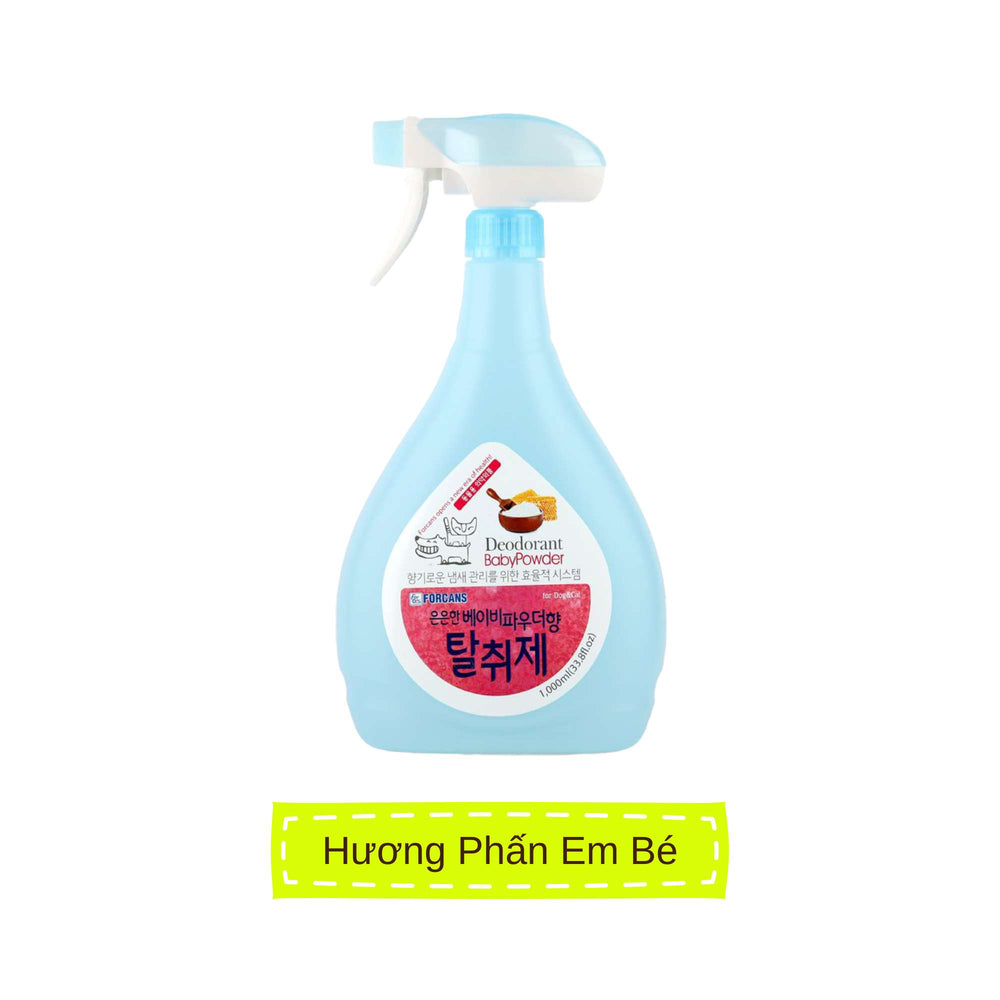


Protect your pet dog and maintain its hygiene by using disinfectant, deodorizing, and flea sprays.
Regular bathing alone is not enough to ensure complete hygiene for your dog.
That's why disinfectant sprays, deodorizing sprays for dogs, and flea sprays have become essential specialized products in every dog owner's home.
If you're a new pet owner and don't know the uses of these products, that's okay. Pet's Warehouse will introduce and guide you in detail on each type of spray to create a completely safe and clean living environment for both your pets and your family.
1. Why do dogs need to be sprayed with disinfectant and flea spray?
In your pet's living space, especially the kennel and litter box, bacteria, fungi, ticks, and fleas can accumulate, even if you clean regularly.
Dog disinfectant spray is a specialized hygiene product used to kill bacteria, and its special formula provides a fresh, comfortable feeling and long-lasting fragrance.

1.1. Potential risks from ticks and fleas to dogs
Ticks and fleas are two of the most common parasites, causing many serious health problems for dogs:
-
-
Itching and skin damage: When biting and sucking blood, ticks and fleas can cause Allergic Flea Dermatitis (FAD), leading to intense itching, hair loss, and secondary skin infections.
-
Anemia: Particularly dangerous for puppies, tick and flea infestations can lead to severe blood loss, causing anemia and weakness.
-
Transmission of dangerous diseases: Their bites can cause dangerous diseases such as canine infectious diseases caused by blood parasites (Babesia, Ehrlichia) and tapeworms in dogs.
-
1.2. Potential risks from ticks and fleas to humans
Although ticks and fleas rarely live on the human body, if a tick has fed on the blood of an infected dog and then bites a person, it can still transmit the disease.
-
-
Itching and skin inflammation: Constantly scratching red, itchy spots causes skin inflammation, creating conditions for bacteria to enter.
-
Risk of tapeworm infection (Dipylidium caninum): Young children are at particularly high risk of infection due to frequent contact with dogs and putting their hands to their mouths.
-
Psychological impact: The presence of ticks and fleas can cause anxiety and fear among family members, affecting their mental well-being and quality of life.
-
2. What is disinfectant spray for dogs?

Dog disinfectant spray is a specialized cleaning product used to kill bacteria, viruses, mold, and control odors in areas where your pet dog lives, such as kennels, beds, toys, floors, and food bowls.
2.1. Benefits of using disinfectant spray
Regular use of disinfectant spray offers many practical benefits:
-
-
Bacterial prevention: Eliminates pathogens, prevents the spread of bacteria, helps keep dogs healthy, and reduces the risk of infectious diseases.
-
Eliminate odors: Disinfectant spray helps to completely eliminate unpleasant odors in the dog kennel area.
-
Protecting the health of pets and family: A clean environment ensures hygiene and safety for the family, especially families with young children.
-
Time-saving: The convenient spray format is easy to use anywhere without much effort, making the cleaning process quick and easy.
-
2.2. Instructions on how to properly use antibacterial deodorizing spray.
First, make sure you use the correct specialized product; absolutely do not use detergents, bleach, or air fresheners as these can easily poison dogs if inhaled.

Step 1: Move pets out of the area to be disinfected, clean the area, ensuring it is free of feces, urine, and leftover food.
Step 2: Hold the spray bottle at least 30cm away from the area to be deodorized and spray 2-3 times. Alternatively, you can spray directly onto the cage, equipment, toys, and clothing of your pet.
Step 3: Wait for it to dry completely and allow the area to air out. Only allow the dog back into the area after it has been thoroughly cleaned.
2.3. Frequency of Use
Cages, floors, litter trays/toilets: Disinfect 1-2 times/week
When the dog is sick: Increase the frequency of daily disinfection to kill as many bacteria as possible.
Use after each cleaning session.
3. Spray fleas and ticks on your dog.
3.1. Common types of parasites in dogs
Ticks and fleas are two types of parasites that affect dogs and human health in different ways.
Being able to differentiate between them will help you choose appropriate and effective treatment and prevention methods.
-
-
Dog ticks: Larger than fleas, they move slowly and cling tightly to the dog's body (ear rims, legs, neck, between toes) to suck blood. When full, they swell and turn black, gray, or dark brown.
-
Fleas: They are very small, difficult to see with the naked eye, and can jump very far. Fleas spread quickly, they thrive in damp environments and will cling to your home in areas like curtains and carpets, and take refuge in dog kennels and bedding.
-

3.2. Instructions for safe and effective use of tick and flea sprays for dogs.
Before spraying: Bathe your dog thoroughly and ensure its fur is completely dry.
Instructions: Spray against the direction of hair growth to ensure even absorption into the skin. Focus on areas prone to flea infestation, such as the neck, tail, and between the toes.
Safety: Absolutely avoid spraying into the eyes, nose, and mouth. After spraying, keep the dog in a well-ventilated area and prevent it from licking its fur for at least 30 minutes.
4. Dog deodorant spray

Deodorizing sprays help eliminate odors effectively, and sometimes, due to skin problems, ear issues, or hygiene habits, pet odors can become unpleasant.
This product is specially designed for situations where regular bathing is not possible, keeping your pet clean and smelling fresh.

4.1. Benefits of using deodorant spray
Convenient and quick: An instant solution when your dog is dirty but you can't bathe it yet, and you need to deodorize it quickly.
Repair damaged fur: Restores damaged fur, reduces tangling, and makes fur softer and smoother.
Effective odor control: The gentle fragrance provides your pet with a comfortable and pleasant feeling immediately after use.
Safe and gentle: Most pet deodorizing sprays are safe for your pet's skin and fur, even for puppies with sensitive skin.
4.2. Things to remember when using dog deodorant spray.

Not a replacement for bathing: Deodorizing sprays are a temporary or supplementary solution and cannot replace regular bathing and grooming for your pet dog.
Do not spray directly onto sensitive areas: Use only products specifically designed for pets. Avoid spraying directly into the dog's eyes, nose, mouth, or damaged skin.
Test your pet's reaction: Spray a small amount on your dog's skin and observe if it has an allergic reaction. If your dog is uncomfortable, develops a rash, or itches, you should stop using the product immediately.
5. Important notes when choosing and using deodorizing, insect repellent, and disinfectant sprays.

To choose the best deodorizing and disinfecting product, you need to accurately identify your pet's health condition and any existing problems to make the right and appropriate choice.
-
-
Read the ingredient list carefully: Always check the main active ingredient on the packaging. Prioritize products with natural ingredients.
-
Choose products from reputable brands: Avoid products of unknown origin or those that are cheap. If you are unsure how to choose or need advice on products suitable for your dog's condition, consult Pet's Warehouse pet supermarket for reliable options.
-
Consult your veterinarian: A veterinarian or veterinary expert will recommend the most suitable product based on your dog's health condition, age, weight, and living environment.
-