



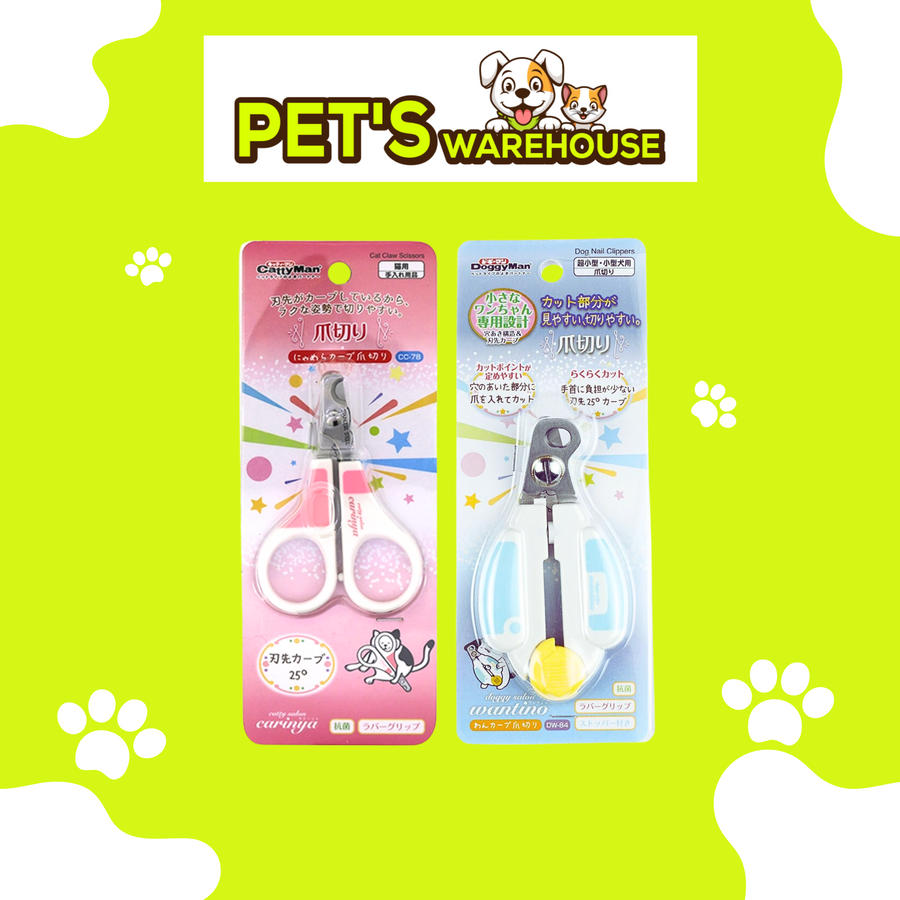

Cat nail clippers
Trimming a cat's nails isn't just about aesthetics; it's a crucial factor in protecting your feline friend's health and the safety of your furniture. So why is regular nail trimming necessary, and how can you get your cat to cooperate? Let's find out with Pet's Warehouse.
1. Why should you trim your cat's nails regularly?
Most cats have 18 claws, each claw having a structure suited to survival, consisting of layers: the outer layer, the nail marrow, the metatarsal bone, tendons, and ligaments.

If your nails are allowed to grow too long, it can lead to the following risks:
-
Ingrown nails: Cat claws curl up very quickly. If they are too long, they can pierce the paw pad, causing pain, pus formation, and serious infection.
-
Damage to furniture: Long claws can easily get caught on curtains, carpets, or gaps, causing the cat to panic, leading to broken claws, bleeding, or dislocations when trying to escape.
-
Injuries to the pet owner: Minimize scratches on the pet's skin and protect sofas and curtains from the "damage" of sharp claws.
-
Health effects: Older cats scratch less, preventing the old keratin layer from sloughing off, causing the claws to thicken and dig into the flesh.
2. Signs and frequency of nail trimming for cats
2.1. Signs that your cat needs its nails trimmed
If you notice your cat frequently making strange noises, like a "clacking" sound when walking on hard floors or tiles, that's the first sign that your cat's claws need trimming.
-
The claws don't retract completely: When the cat is lying still, you can still see the tips of its claws sticking out.
-
Cats get their paws caught: They frequently get their claws caught in your blankets, curtains, or clothing.
-
Behavioral changes: The cat constantly bites, gnaws, licks its claws, or limps due to its claws digging into its flesh.
2.2. Nail trimming schedule

-
Cat nail trimming schedule: Nails grow extremely fast, so check and trim them once a week to establish a habit from a young age. Trimming once a week is also an option.
-
Nail trimming schedule for adult cats: Usually every 2-3 weeks.
For cats that frequently climb and play outdoors, long claws may be necessary for self-defense; in that case, you should only trim the tips of their claws.
Indoor cats need to be groomed more frequently.
3. Prepare specialized nail clippers for cats.
To ensure a smooth and pleasant pet nail trimming session, avoiding unwanted marks, in addition to having a well-lit location where you can easily identify the nails and a comfortable position for trimming, it's crucial to have all the necessary specialized tools ready.
Nail clippers: Absolutely do not use tools intended for other people. You can use items such as nail scissors or nail clippers.
DoggyMan & CattyMan nail clippers

Advantages: The nail clippers are designed with a perfectly sized cutting groove, making nail trimming for dogs and cats more precise and safer, preventing excessive cutting that could injure the nail bed. The sharp blades provide a clean, smooth cut, reducing the risk of chipping or splitting, making the process more comfortable and less stressful for your pet.
First aid supplies such as hemostatic powder are essential in case you accidentally cut into the nail's quick.
Cat nail grinder
Treats, soups, snacks
A large towel is recommended if your cat is a fussy, mischievous kitten.
4. Instructions for trimming the nails of a fussy cat.

A cat's paws are packed with nerve endings. When you try to hold its paw tightly, the cat will feel like it's losing control.
Timing: Choose a time when your cat has just woken up, is drowsy, or after a meal. Avoid trimming when your cat is excited or running around.
Getting used to it: Gently support the cat's paw, lightly pressing on the paw pad to expose the claw. Do this regularly for several days before actually trimming it so the cat isn't startled.
Operation:
-
Hold the cat's paw firmly but don't squeeze too hard.
-
Identify the pink pulp. Cut only about 2mm away from the pulp to ensure safety.
-
Position the nail clippers from the top down (along the length of the nail) to avoid breaking the nail.
Reward with snacks and praise: After each nail is trimmed, offer praise in a gentle voice. Finish the nail trimming session with a delicious reward soup to create a positive reflex.
The "Burrito" technique for fussy cats: Use a large towel and wrap it around the cat, leaving only the head and one paw to be trimmed exposed. This helps the cat feel safe and protected, reducing the likelihood of struggling and shielding you from unexpected scratches.
Note in case of an accident: If you accidentally cut into the quick of the nail and it starts bleeding, calmly apply styptic powder and press firmly on the tip of the nail for 30 seconds. Stay calm and don't yell or scold, as this will only frighten the cat further.
5. Mistakes to avoid when trimming your cat's nails at home
Using human nail clippers: Human nail clippers are not designed for cat claws and will apply pressure to flatten the cat's claws, causing cracks and frightening the cat.
Forcing your cat to have its nails trimmed: If your cat gets too stressed, stop and continue trimming the next day. It's not necessary to trim all 10 nails at once. The simplest solution is to break it up and prioritize your cat's comfort.
Cutting too deep: Always remember that it's better to cut a little and let your cat get used to it than to cut into the quick of the nail.
Scolding your cat: This will traumatize your cat, and nail trimming will become a "battle" later on.
No rewards or petting: Cats will view nail trimming as a scary experience if nothing good happens afterward.
Not checking the tools before trimming: If the clippers are too old, dull, or rusty, they will crush the cat's claws and cause pain.
6. When should you take your cat to the grooming spa?
If your cat is overly timid, grumpy, withdrawn when frightened, bites you, or has ingrown nails, don't try to treat it yourself at home. Take your cat to a professional grooming and spa service. At Pet's Warehouse, in addition to providing a full range of nail care products, we have experienced technicians who will help your feline friend treat their nails gently, quickly, and with absolute safety.