







Are dog beds and mattresses important? Benefits and how to choose the best ones.
1. A dog's health begins with deep sleep.
Dogs spend most of their day sleeping, averaging 12-14 hours a day. Sleep plays a crucial role in a dog's health and well-being.
Quality sleep not only helps us restore energy but also directly affects mental health, the immune system, and especially the musculoskeletal system.
However, many pet owners still make the mistake of letting their dogs sleep on cold floors, sofas, or using old, worn-out mattresses that lack elasticity and support.
Sleeping on hard surfaces (like the floor or a chair) or sofa can put pressure on the joints, especially the hips and elbows, leading to serious musculoskeletal problems later on.
Therefore, investing in a specialized dog bed or mattress is not just an act of pampering, but a worthwhile investment in your pet's health and longevity.
2. Why do dogs need their own sleeping mat?

Dog beds are essential items that provide pets with a comfortable place to rest and ensure their health.
Especially when your pet dog is getting older or is a breed prone to hip dysplasia (such as Golden Retrievers and Labradors), a comfortable, elastic, and supportive bed will definitely be needed to reduce pressure on the dog's body and distribute weight evenly.
This reduces pressure on areas prone to arthritis, such as the elbows, hips, and shoulders.
-
-
Promote quality sleep: Deep sleep is when a dog's body recovers and consolidates its memory. A comfortable bed, designed to keep warm in cold weather and breathable in summer, helps dogs easily reach the deepest state of relaxation.
-
Keep warm: When temperatures change, lying directly on the floor will make your dog cold. Sleeping on a warm bed will prevent colds or related health problems.
-
Reducing anxiety and stress: Dogs always want a safe haven to rest. Their own bed/bed is their "home," and when stressed or tired, they will return to their sanctuary to reduce stress and feel safe.
-
3. Popular types of beds and mattresses for pet dogs

As soon as you bring a puppy home, you should set up a separate sleeping area for it.
This helps puppies learn independence, reduces anxiety when not with their owner, and prevents bad habits (such as urinating inappropriately) on the bed or in the house.
Choosing the right dog bed depends on your dog's habits, age, and breed.
3.1. Flat mattress/Padding

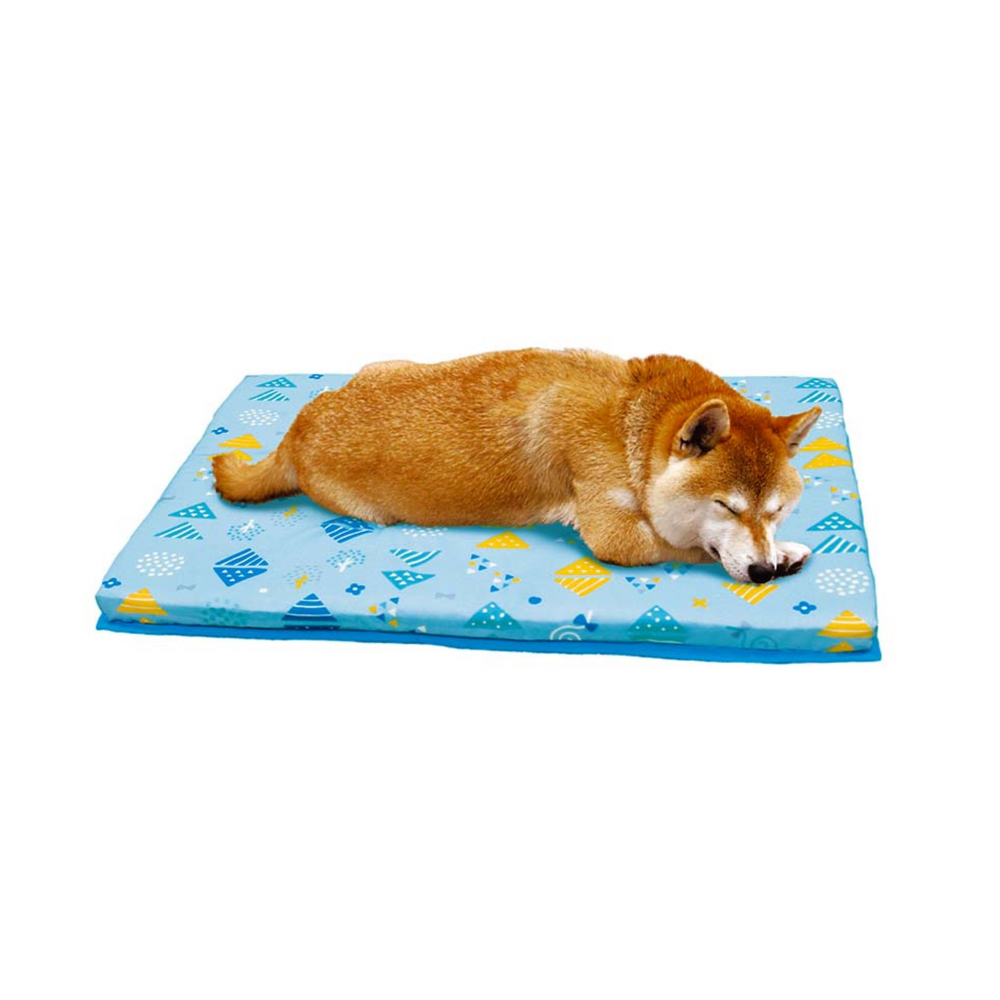
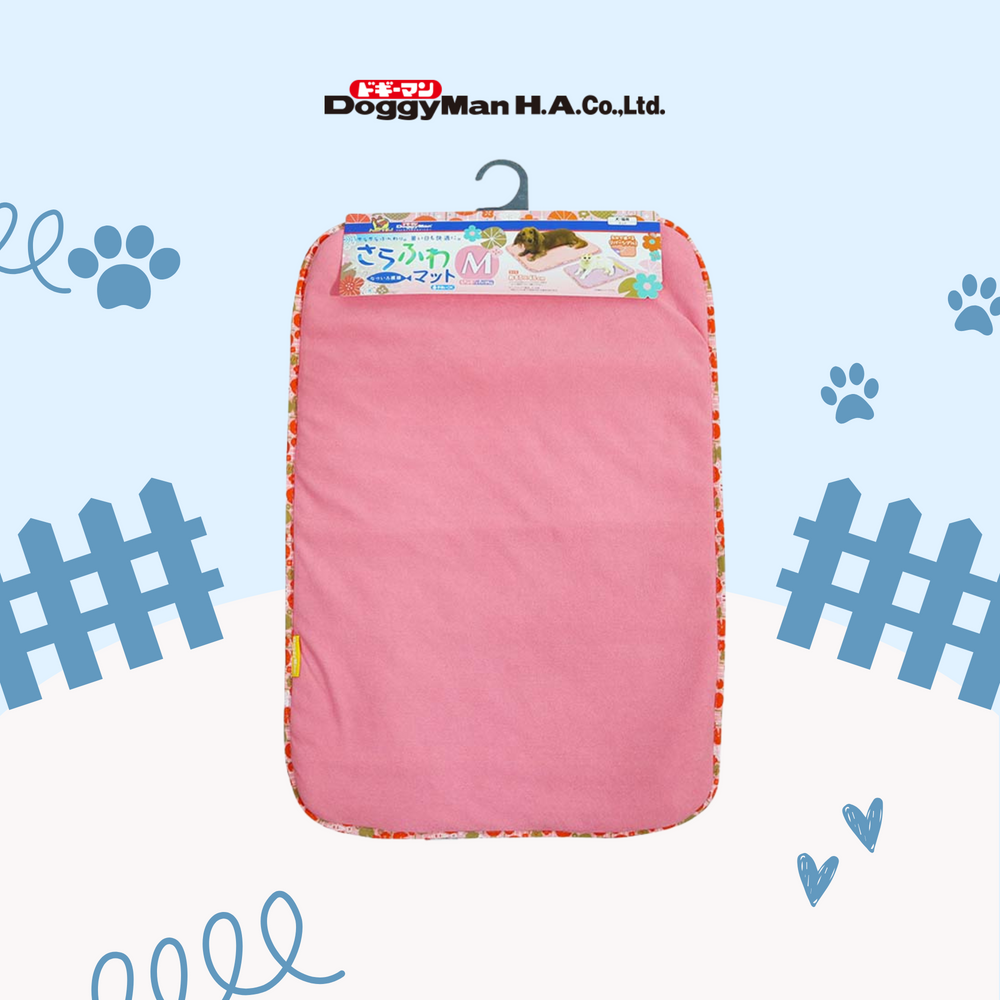
This is the simplest type of mattress, usually a rectangular or round pad of moderate thickness.
Advantages: Soft material, easy to clean, can be used as a liner in cages, placed in corners of rooms, or taken on trips.
Suitable for: Dogs that prefer to lie stretched out, and dogs that do not require special bone and joint support.
3.2. Mattresses with side rails

This type of dog bed has raised edges/borders all around. Made from high-quality fabric, it prevents dogs from overheating while lying down.
Advantages: Compact design, easy to place indoors, creates a cozy and safe feeling, and dogs can rest their heads on the edge of the cushion.
Suitable for: Dogs that like to curl up while sleeping, small dogs, or anxious dogs.
3.3. Dog Tents/Houses
It provides a private space, completely separated from the outside world, with a roof and doors.
Advantages: Creates a feeling of maximum safety and coziness.
Suitable for: Dogs that need peace and quiet or private space.
4. Guide to choosing the right bed, mattress, and tent.
Choosing a dog bed should be based on the following factors:
4.1 Dog's size and weight
Measure the dog's dimensions when it is lying completely flat, from nose to the end of its hind legs.
Then, add about 15-30cm for comfortable space. (If your dog is still growing, choose a slightly larger size to save money.)
4.2. Age and health condition of the dog
Each dog has different needs regarding beds and mattresses depending on its age.
-
-
Puppies: Should have a high, warm bed. If the dog is still growing, consider choosing a larger bed.
-
Older dogs are prone to arthritis, so you should choose an orthopedic bed to reduce pain and improve sleep quality.
-

4.3. Mattress cover and core materials
-
-
Cotton: This is the most popular material because it is breathable and soft, providing a comfortable feel for most pets. However, it wrinkles easily, gets dirty easily, and takes a long time to dry.
-
Polyester: Often used as covers for dog beds or mattresses, it is stain-resistant and dries quickly after washing. It can be hot if used as a lining directly on a pet's skin.
-
To ensure comfort and convenience for the pet and for the owner.
Sen should prioritize products that combine cotton and polyester to ensure softness, breathability, durability, ease of cleaning, and wrinkle resistance after washing.
4.4. Suitable for the space
Shopping needs will vary depending on the size of the space, home style, and the condition of the pet.
For apartments and small houses: Choose a compact mattress size that can be folded and easily moved.
For large homes: Consider choosing large beds, large mattresses, or tents.
5. Suggestions for mattress and bed brands favored by pet owners at Pet's Warehouse
If you're still unsure about choosing the right bed and mattress that's both high-quality and durable, consider products that have earned the trust of the pet-owning community.
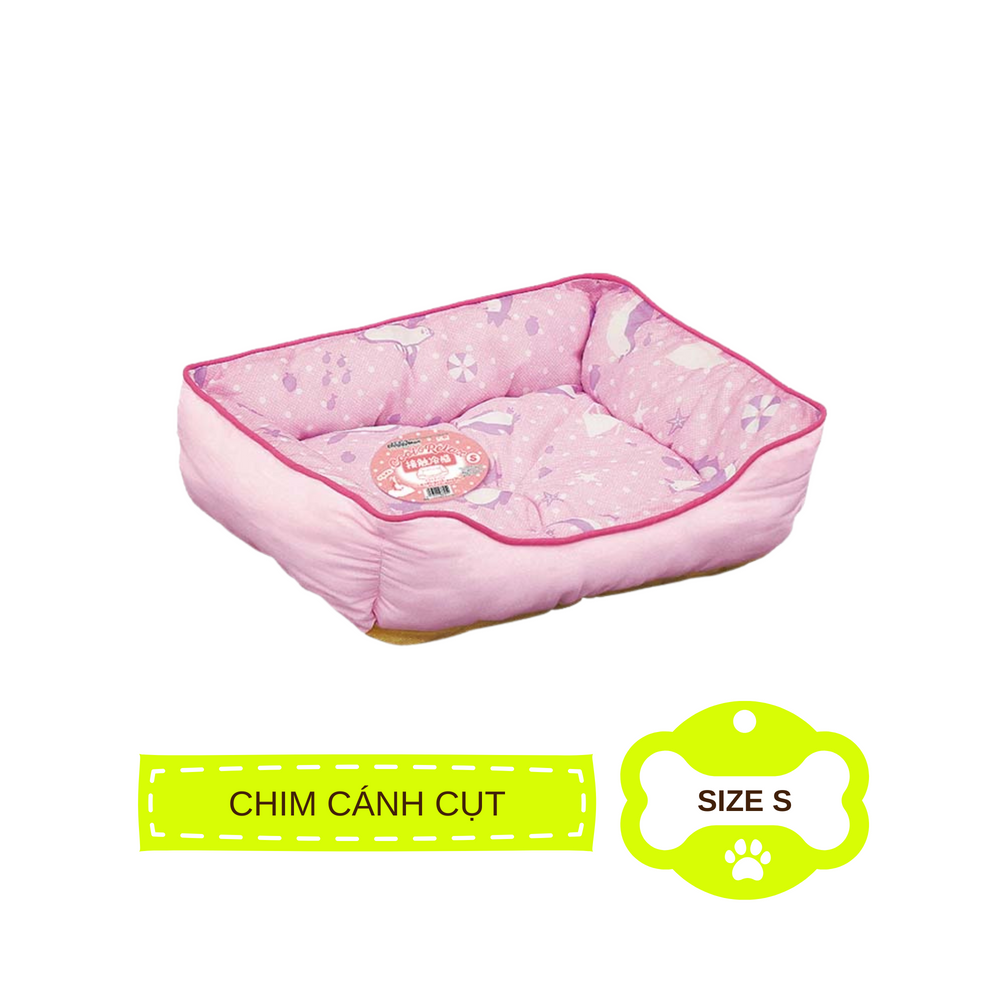
5.1. Square mattress made of cool fabric

Brand: DoggyMan (Japan)
Key features: High-quality, cool fabric that feels comfortable to the touch and doesn't retain heat, keeping your pet from getting too hot while lying down and reducing the risk of skin irritation.
The soft mattress core provides full-body support, helping your pet quickly fall into a deep sleep.
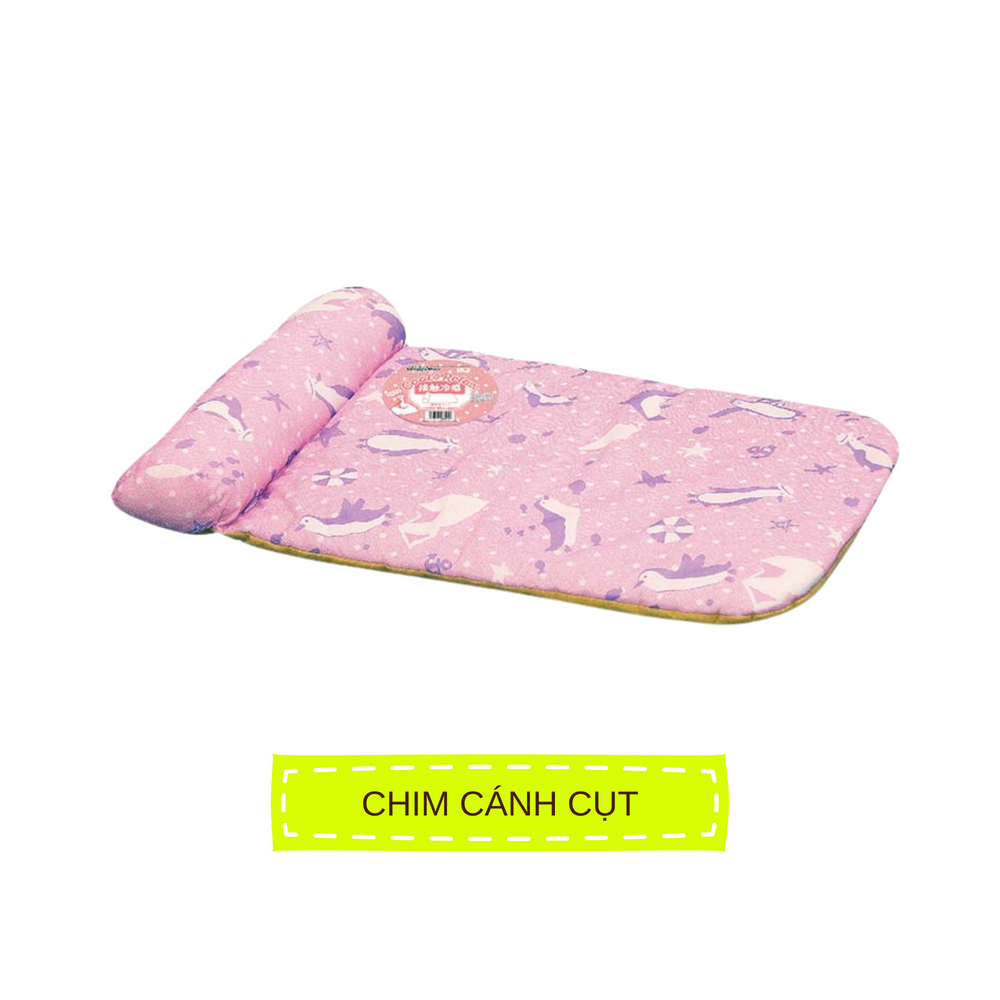
5.2. Rectangular mattress and pillow set made of cool fabric

Brand: DoggyMan (Japan)
Key features: Convenient rectangular design, easy to place in a cage or corner of the room. Easy to clean, washable, and quick-drying.
6. How to clean your dog's mattress and bed.
Regular cleaning of your dog's bed and bedding is crucial to eliminate odors, shedding hair, ticks, fleas, and bacteria, ensuring the health of both your dog and your family.
6.1. Cleaning frequency
-
-
Weekly: Remove the cover and machine wash (according to the manufacturer's instructions).
-
Daily: Use a vacuum cleaner or lint roller to remove loose hair and dust from surfaces.
-
6.2. Cleaning steps
Step 1: Shake off the fur and remove dirt.
Remove loose hair: Use a mini vacuum cleaner or lint roller to remove as much hair and dust from the surface of the bed as possible.
If you don't have specialized tools, you can use a damp rubber glove to rub the hairs off; they will stick to it.
Read the washing instructions on the label: The manufacturer will usually recommend how to wash, whether to hand wash, machine wash, or dry clean only, and the appropriate water temperature.
Step 2: Washing
For mattresses with removable covers: Remove the mattress core from the cover. Machine wash the cover in warm or hot water (if the material allows) to kill bacteria and mite eggs.
Use a pet-safe detergent or a mild, unscented detergent to avoid irritating your dog's skin. As for the mattress filling (depending on the material), you can machine wash or hand wash it.
For beds/mattresses with non-removable covers: You can put the whole thing in the washing machine, using a gentle cycle and hot water.
If the bed is too big, soak it in a bathtub with warm water and soap. Use a brush to scrub away stains, then rinse thoroughly under running water until all the soap is gone.
Step 3: Deodorize and dry
After washing, the mattress needs to be completely dried to prevent mold from growing inside. Ensure the mattress is completely dry before letting your dog use it again.
Dog beds and mattresses are not a luxury item, but a necessity to ensure a good quality of life for our furry companions.
From supporting aging joints to providing a sense of security, a quality bed/mattress is fundamental to excellent health and a long life.

Make a smart choice, based on your dog's size, age, and health needs.
Pet's Warehouse is committed to providing you with quality products to nurture your dog's sleep.